
Game Art Direction · UE5 Cinematics
spaceminers
Game Art Direction & UE5 Cinematics
Spaceminers is a sci-fi game project where I led art direction and delivered cinematic content across concept, storyboard, UE5 sequences, and final motion design — from world building through to cinematic output.
world building, lore, concepts, storyboarding.
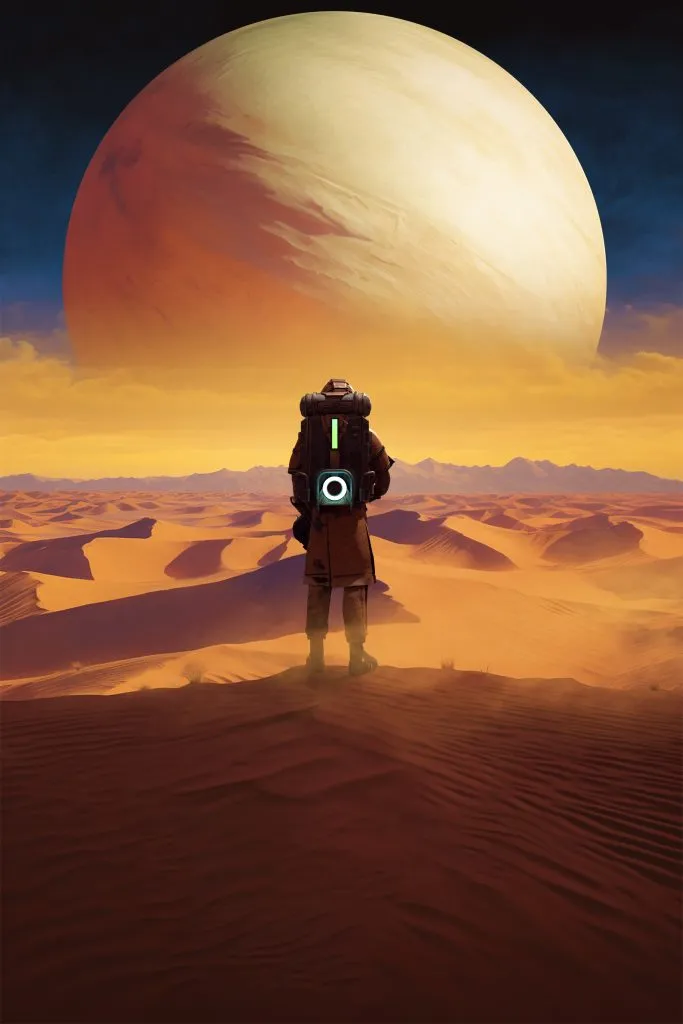
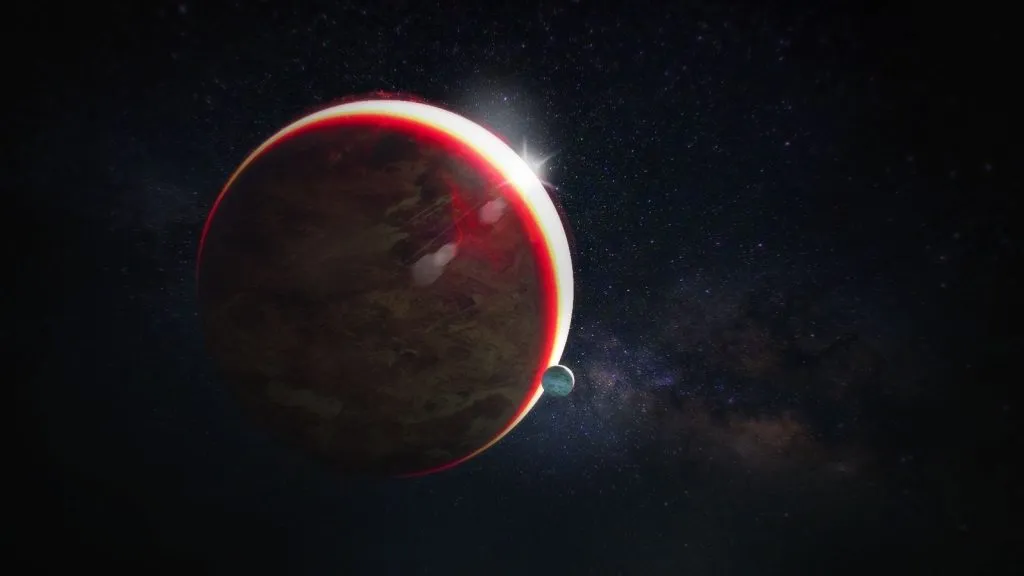
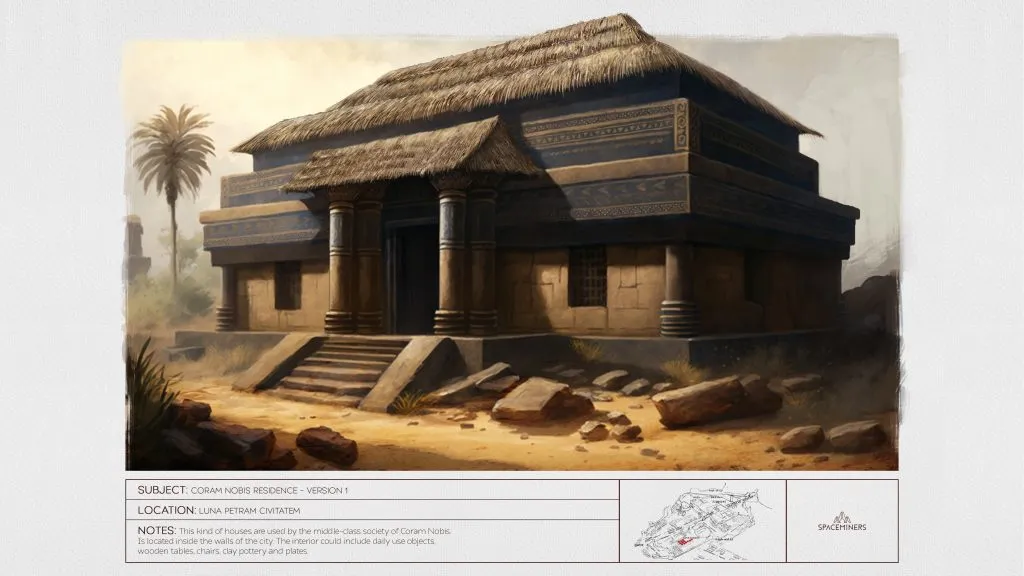
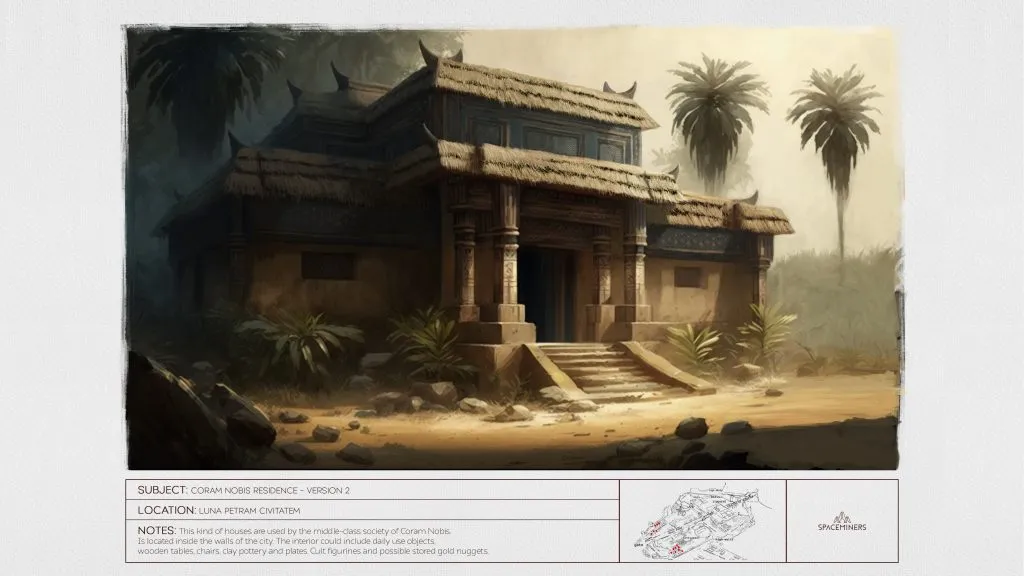
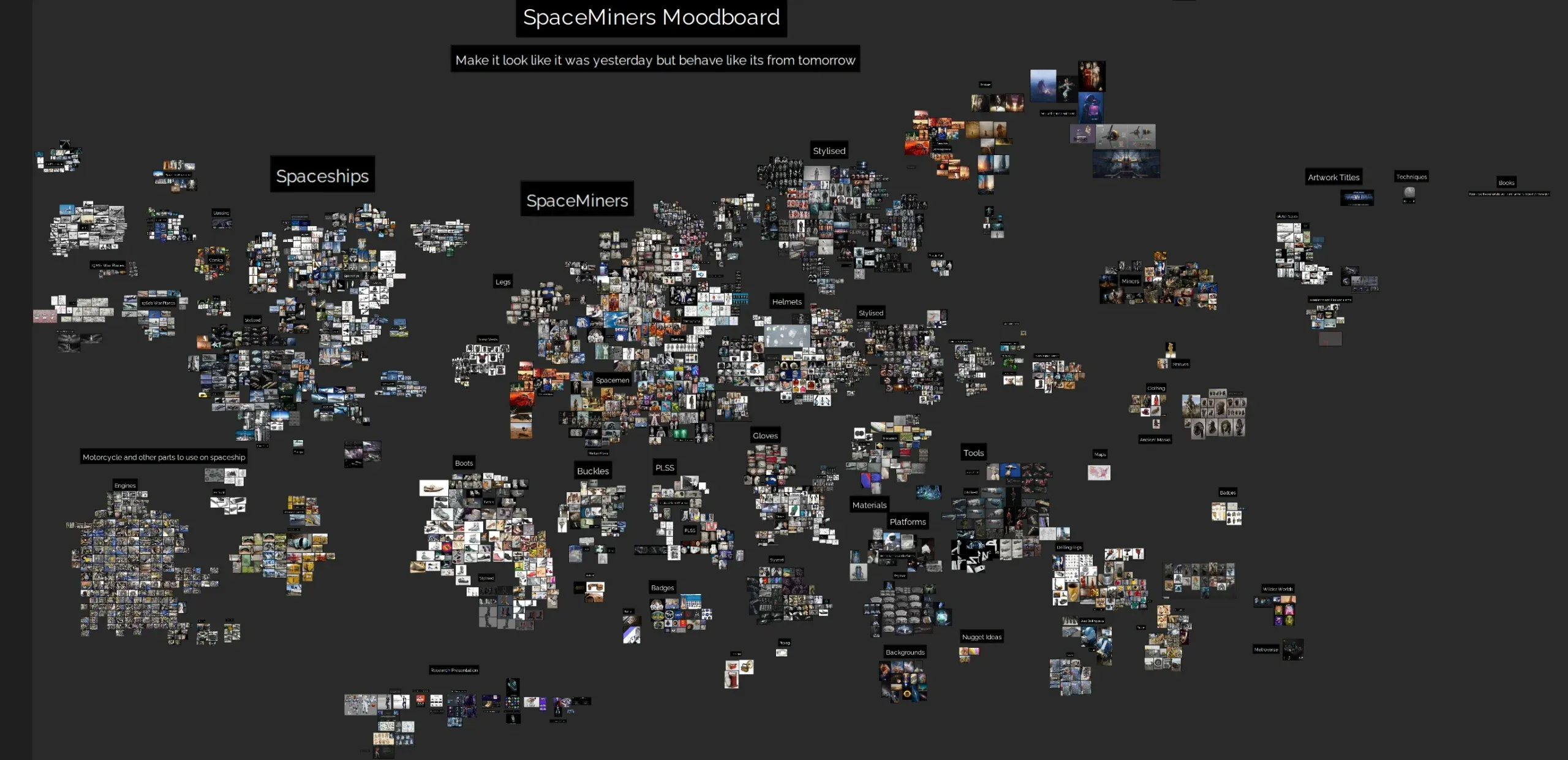
To ground the universe, I developed a reference-driven world building system covering silhouettes, materials, architecture, characters, props, and faction visual language. A mindmap mapped the Spaceminers universe and visual art direction for the story — ensuring we could design new content fast without drifting stylistically.
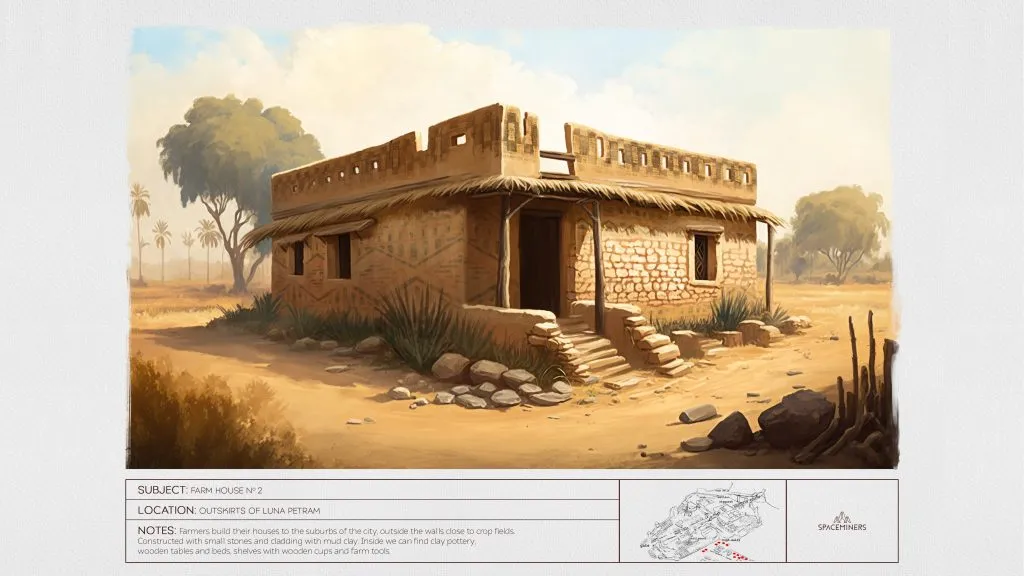
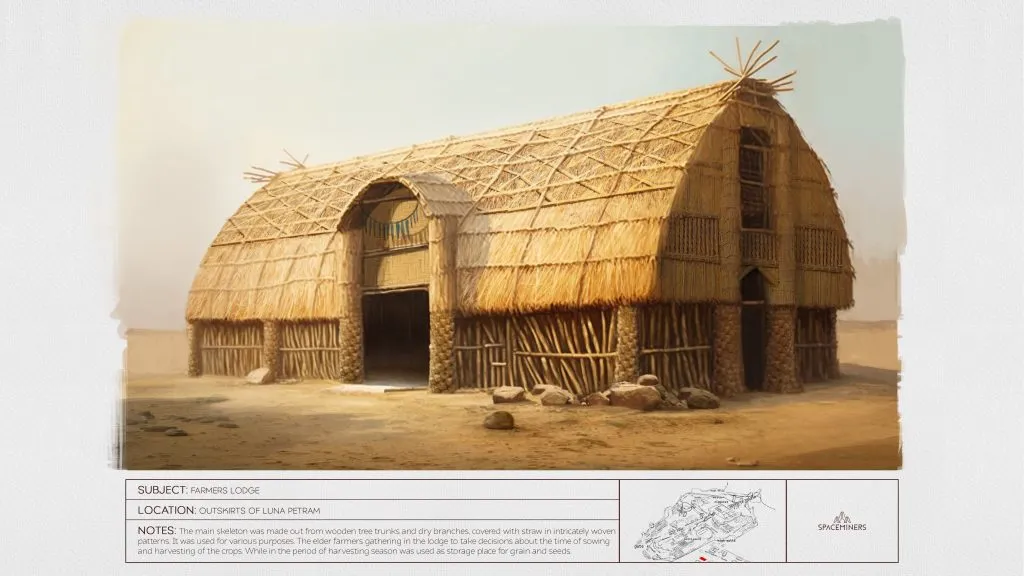
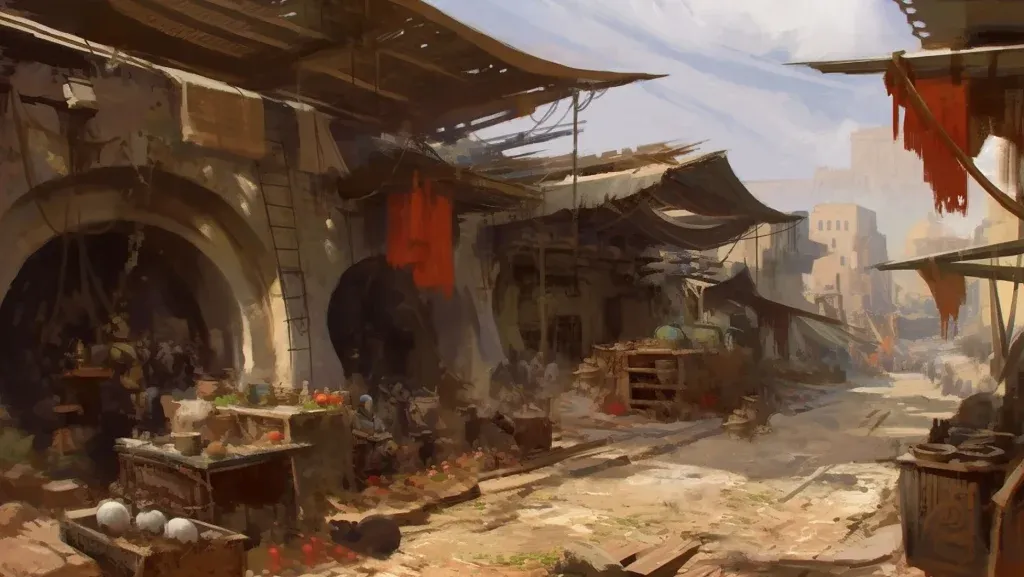
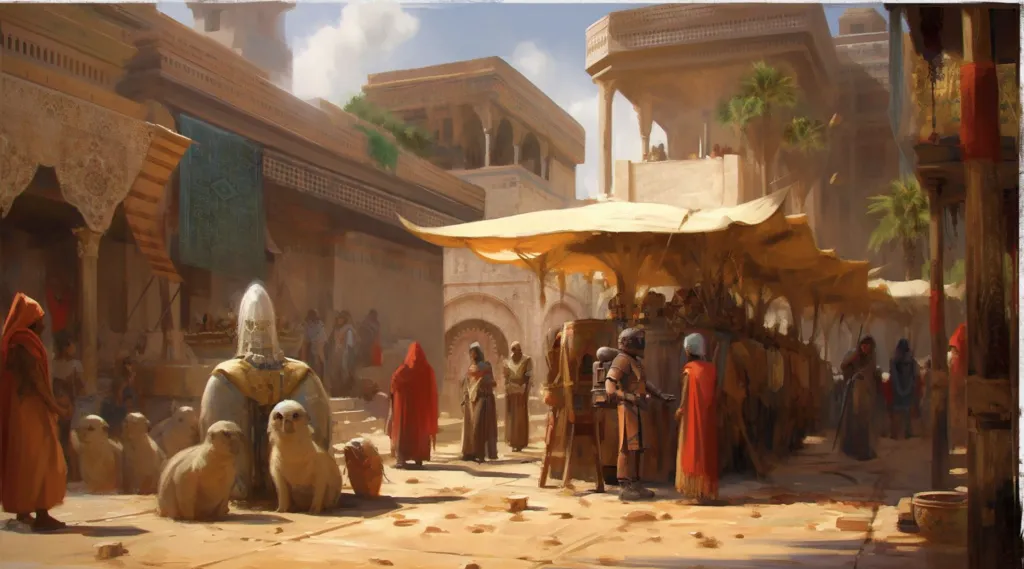
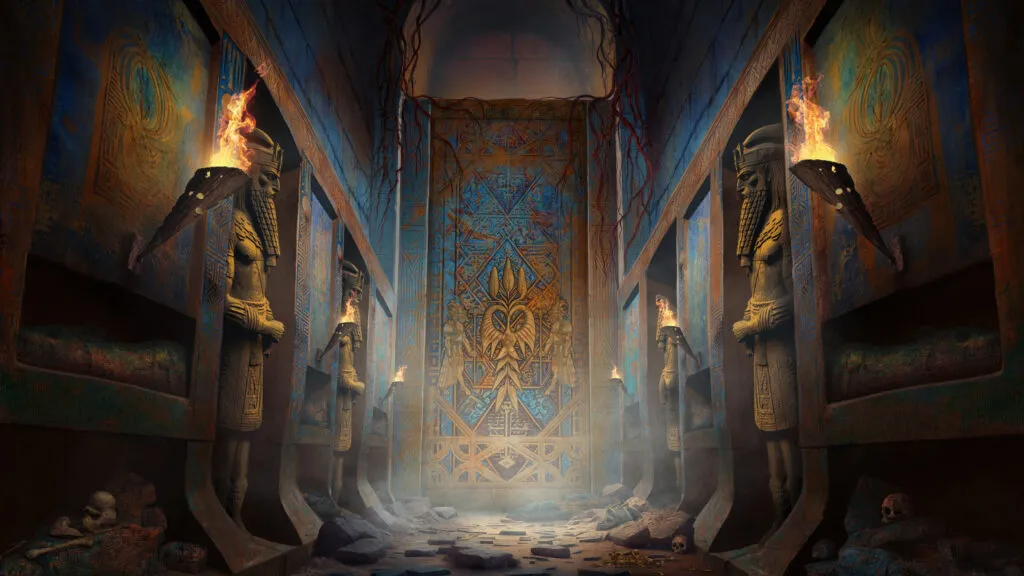
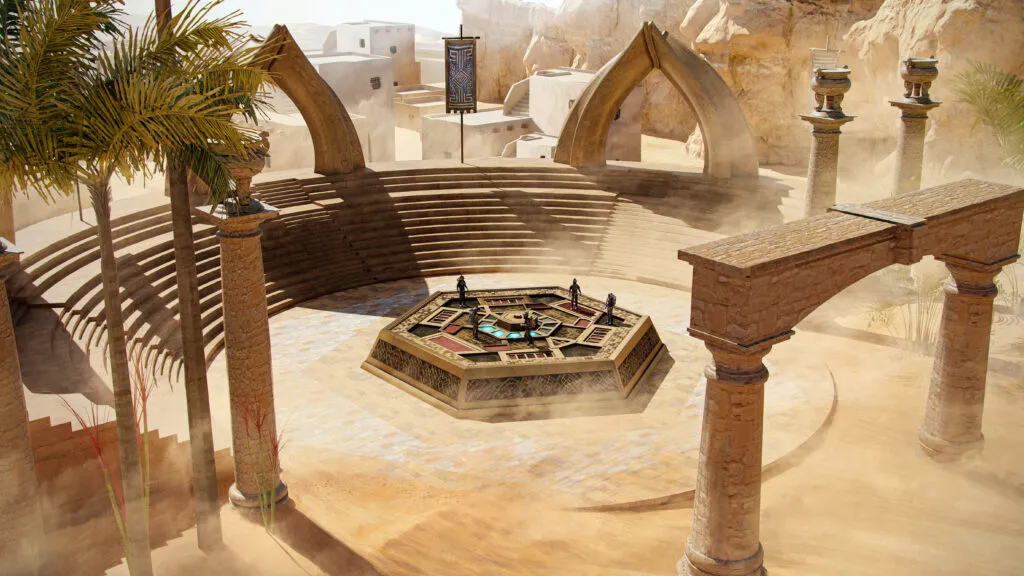
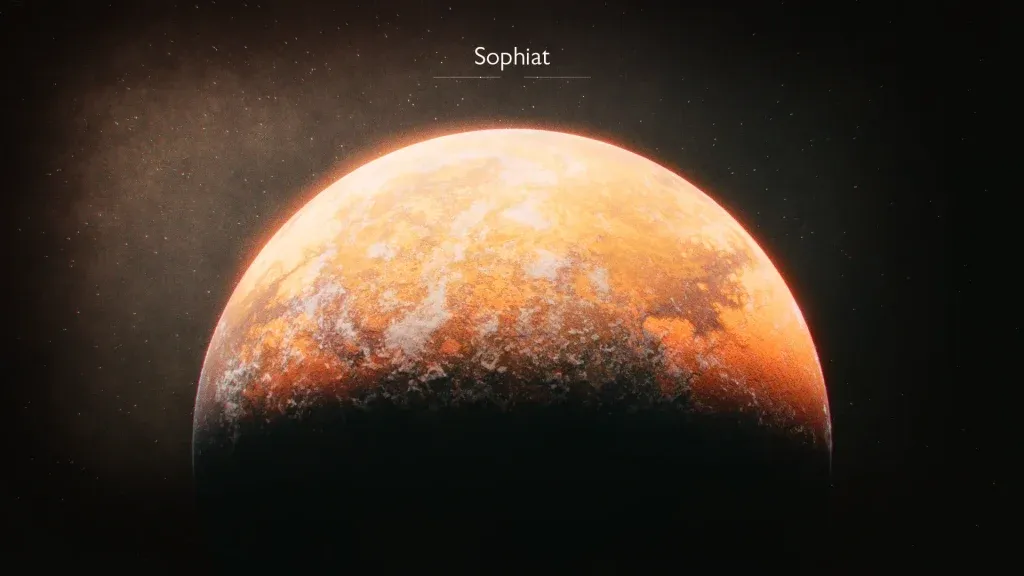
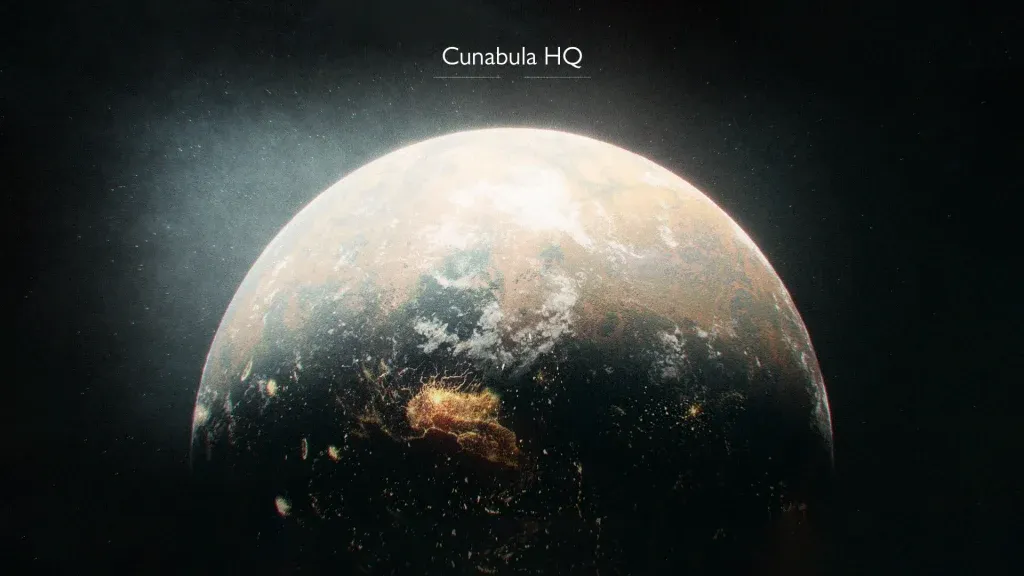

- Visual rules for shape language, colour, and materials
- Environment themes and mood exploration
- Key locations, props, and world logic reference boards
storyboard: bringing Spaceminers vision to life.
Storyboards were used to lock pacing, clarity, and camera language before UE5 production — keeping production efficient and reducing iteration time during cinematic build. Storyboards by Michael Papanicolaou.
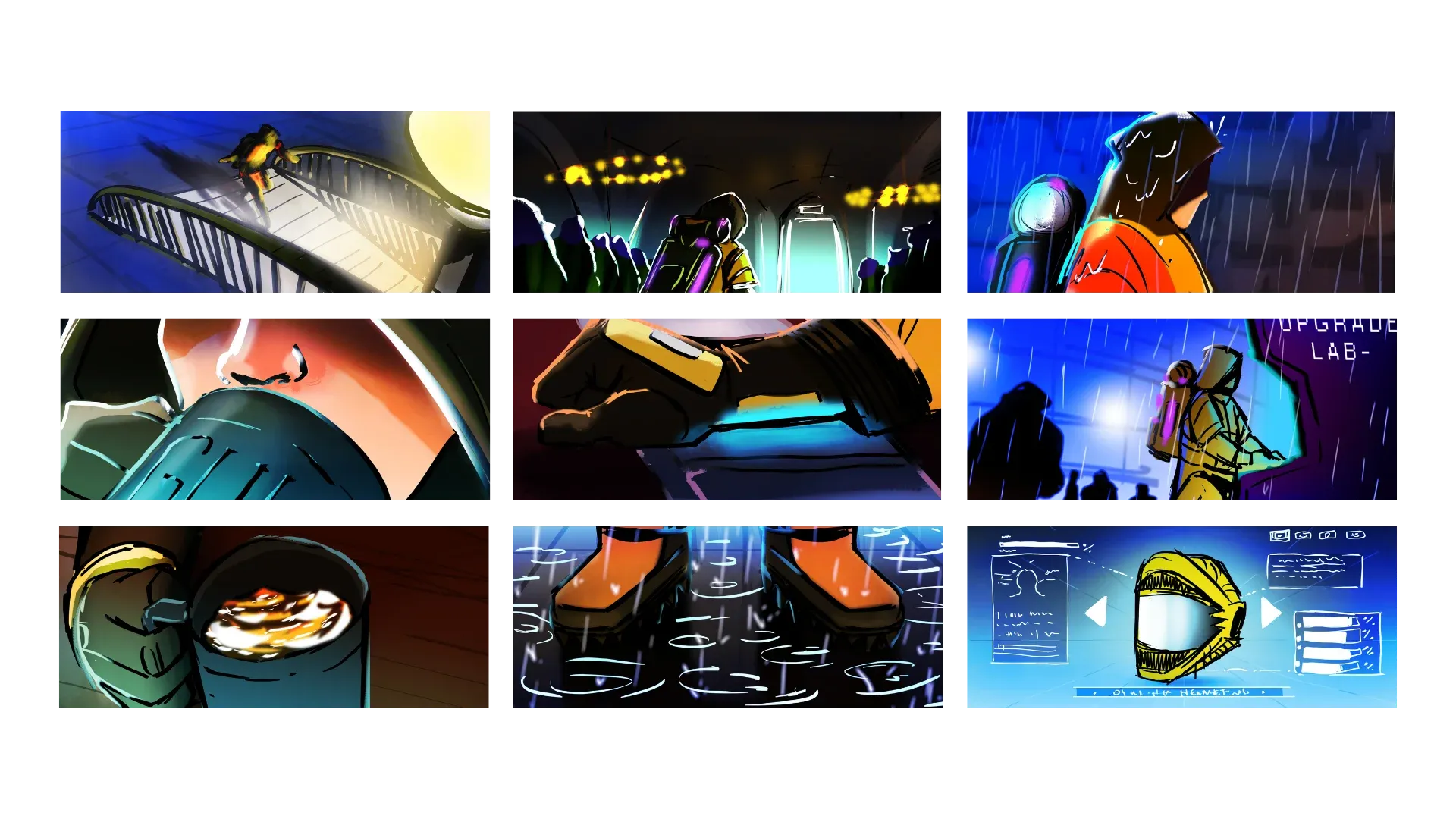
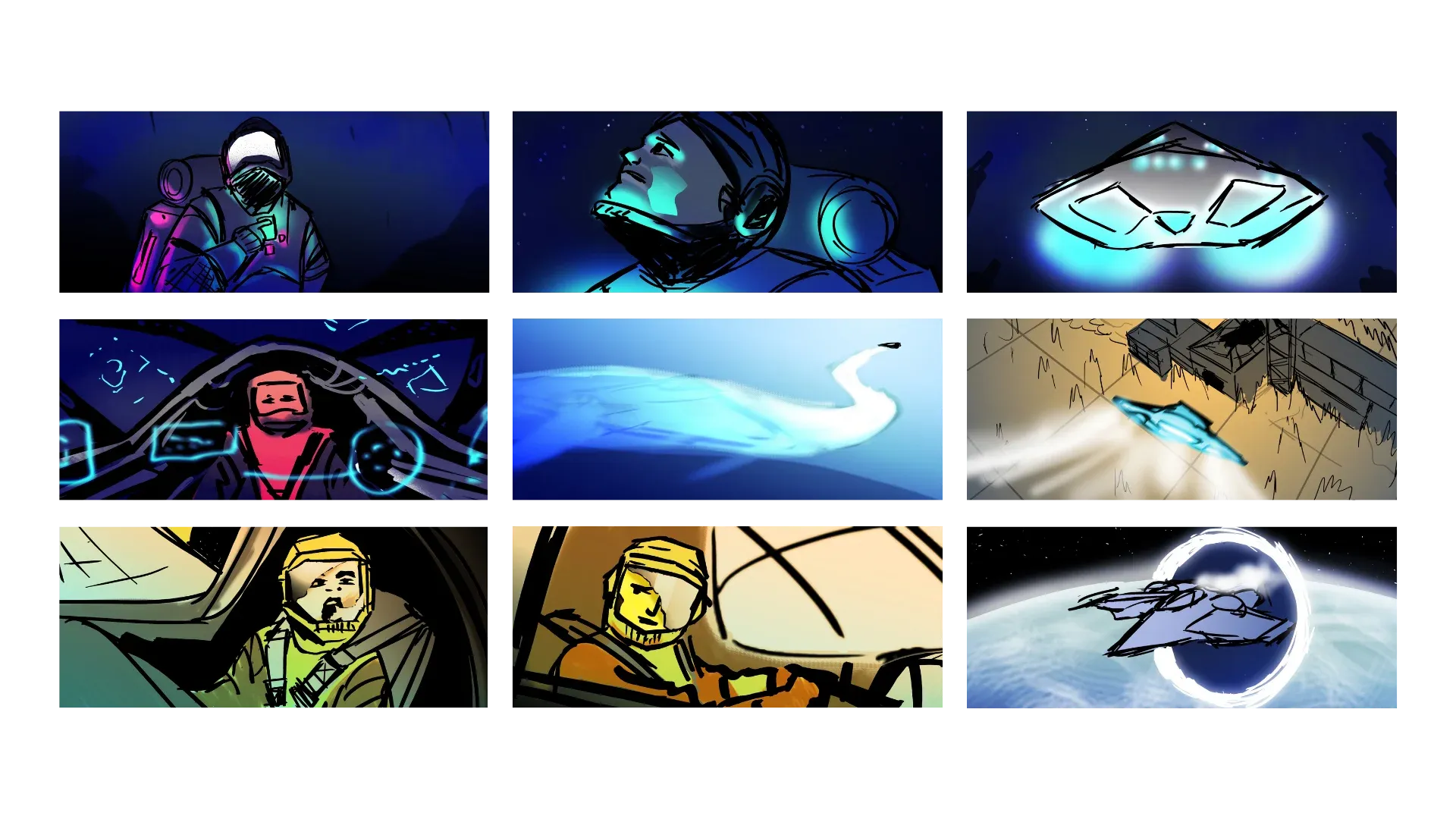
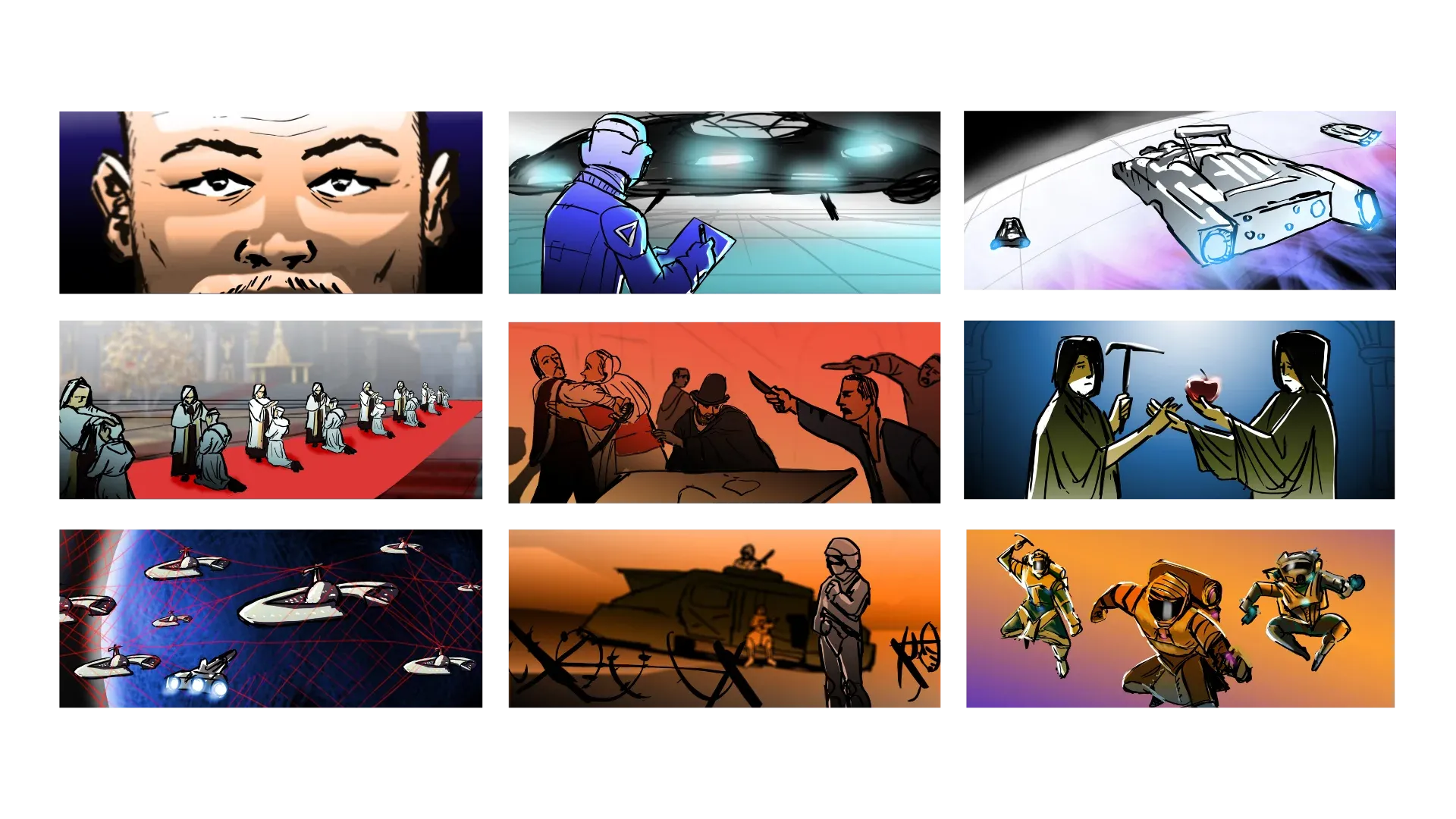
- Readable action beats and composition
- Camera continuity and transitions
- Shot lists that map directly into UE5 sequencing
concept art showcase: crafting the world of Spaceminers.
I directed concept development to expand the universe while keeping it production-friendly — designs that translate cleanly into 3D and read well in cinematic framing. With Giorgos, Alp, and Daniel.
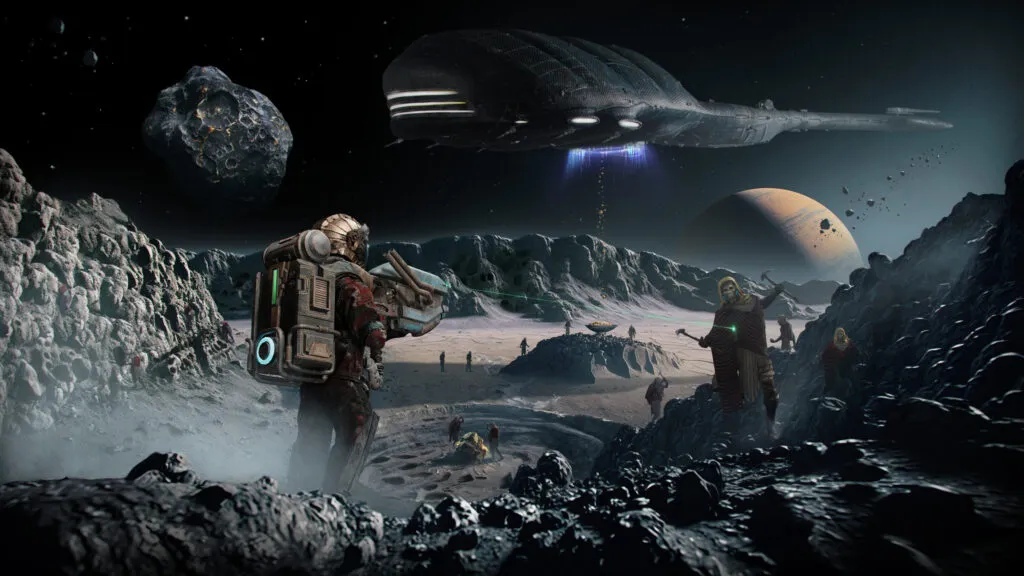
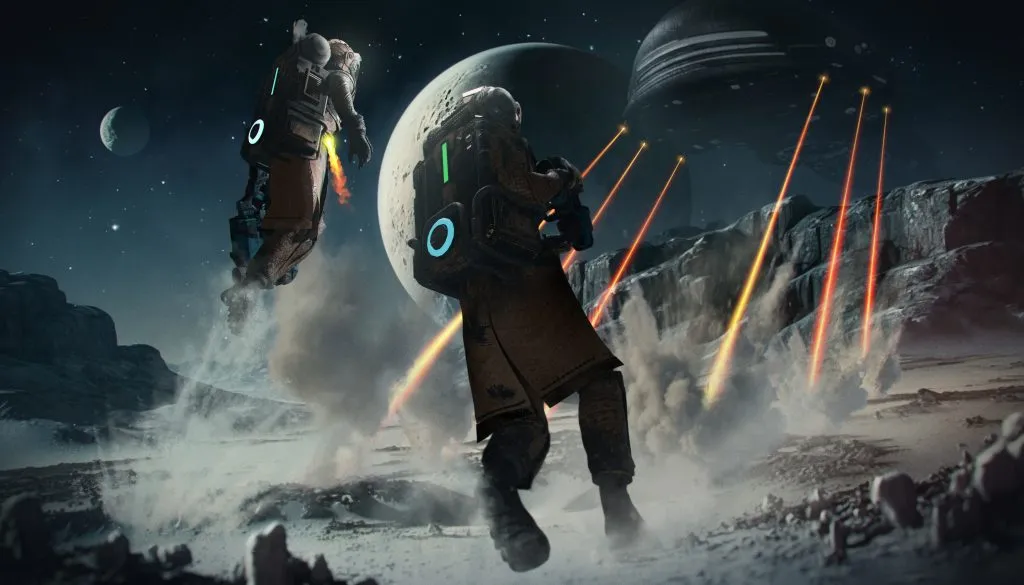
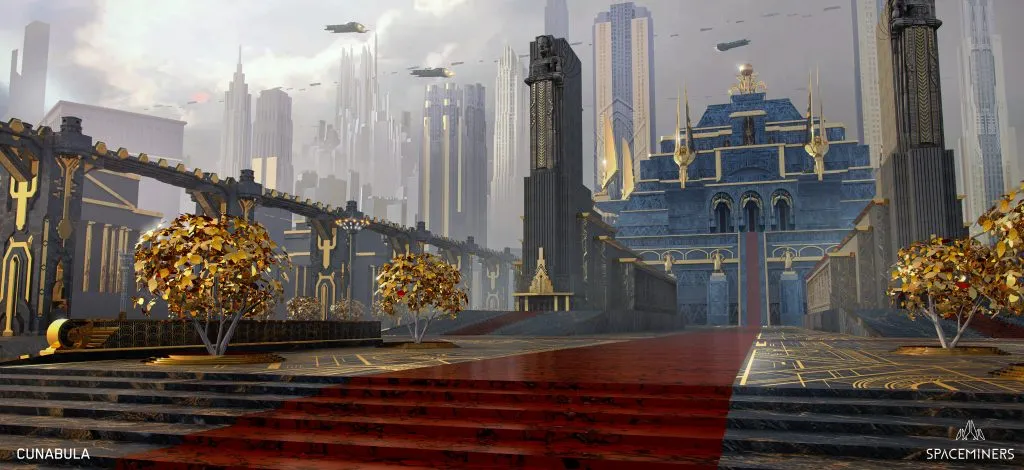
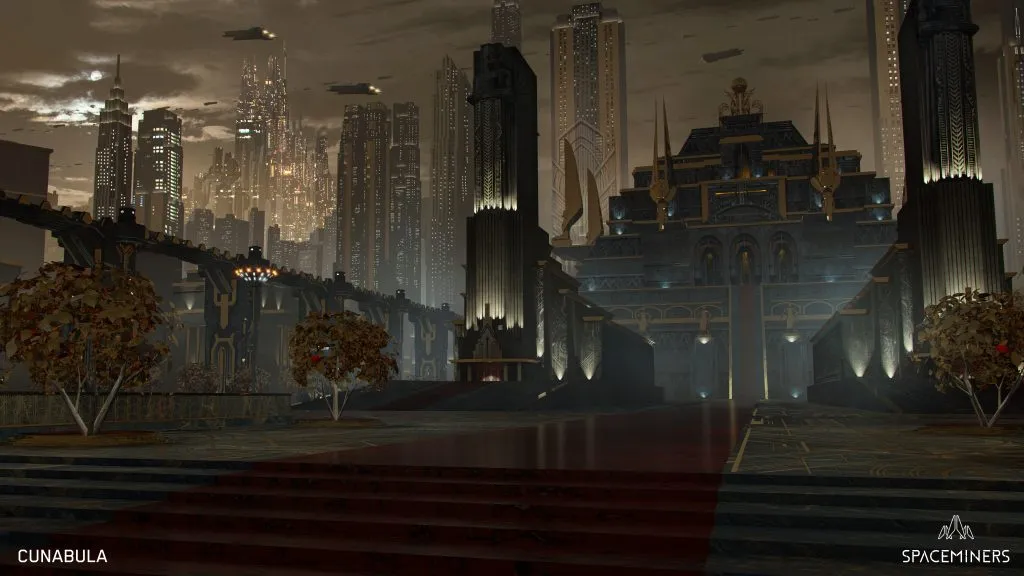
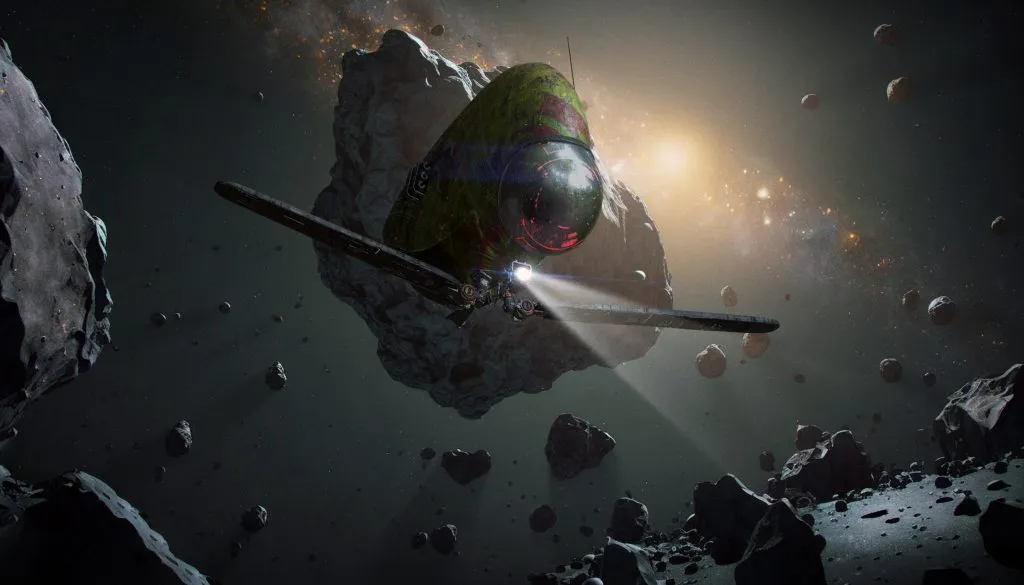
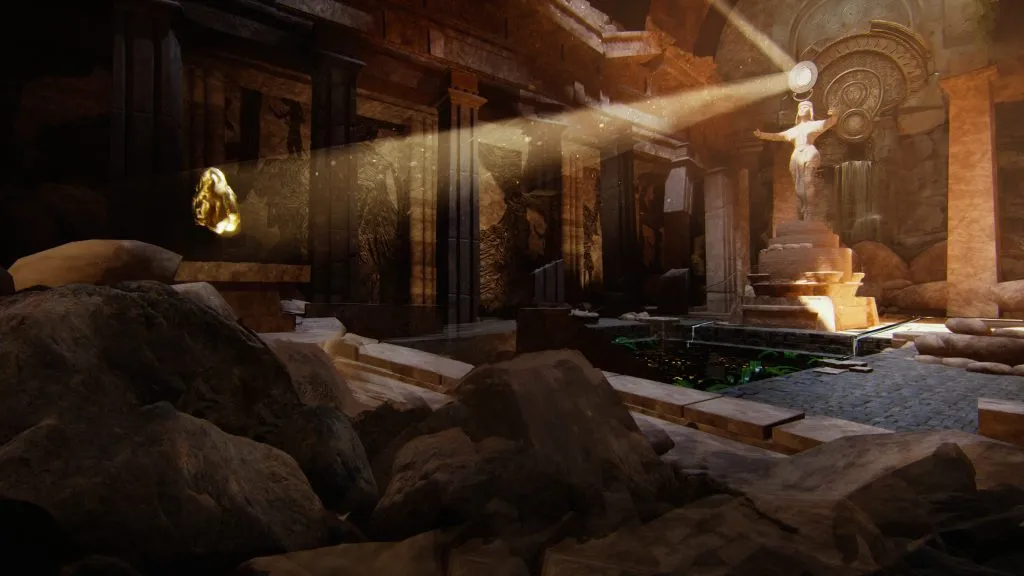
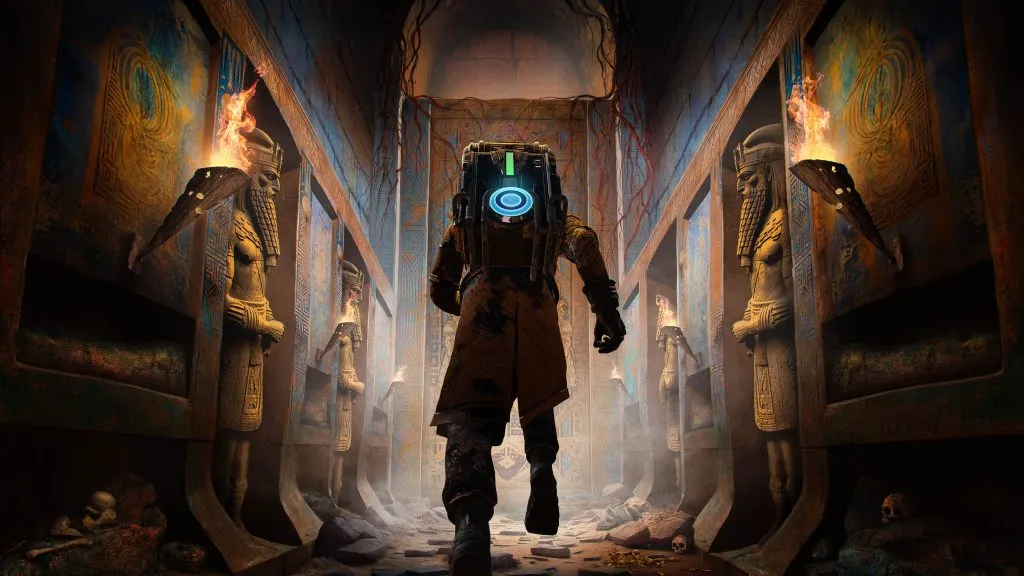
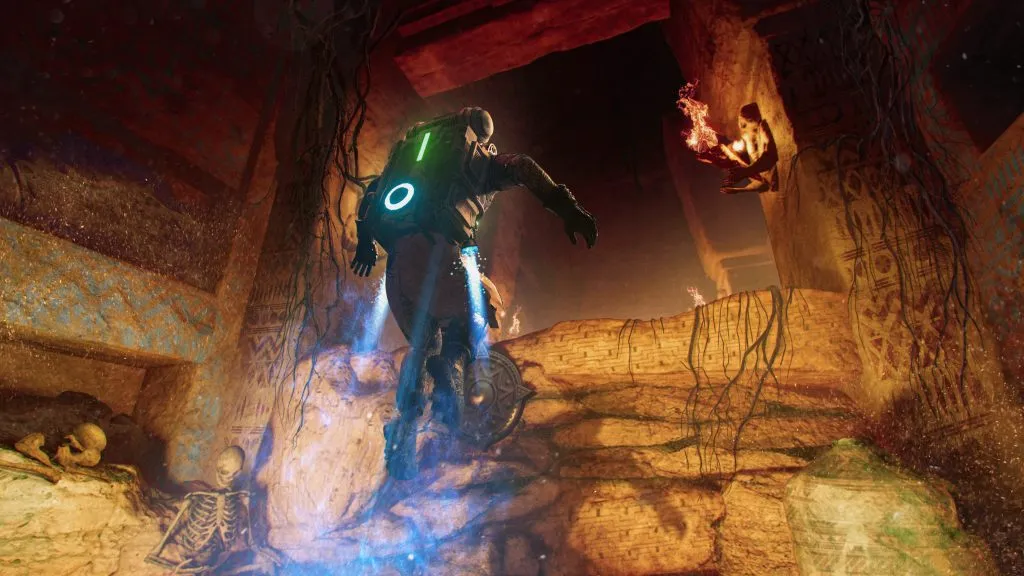
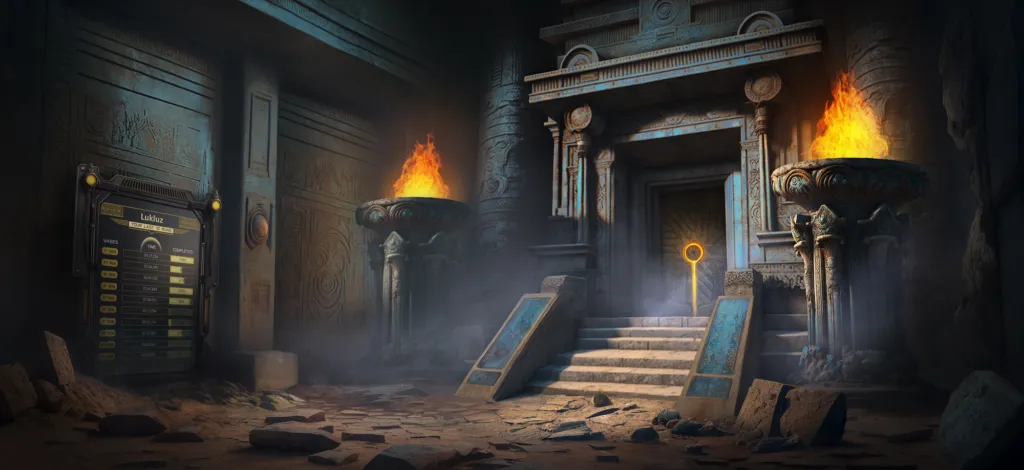
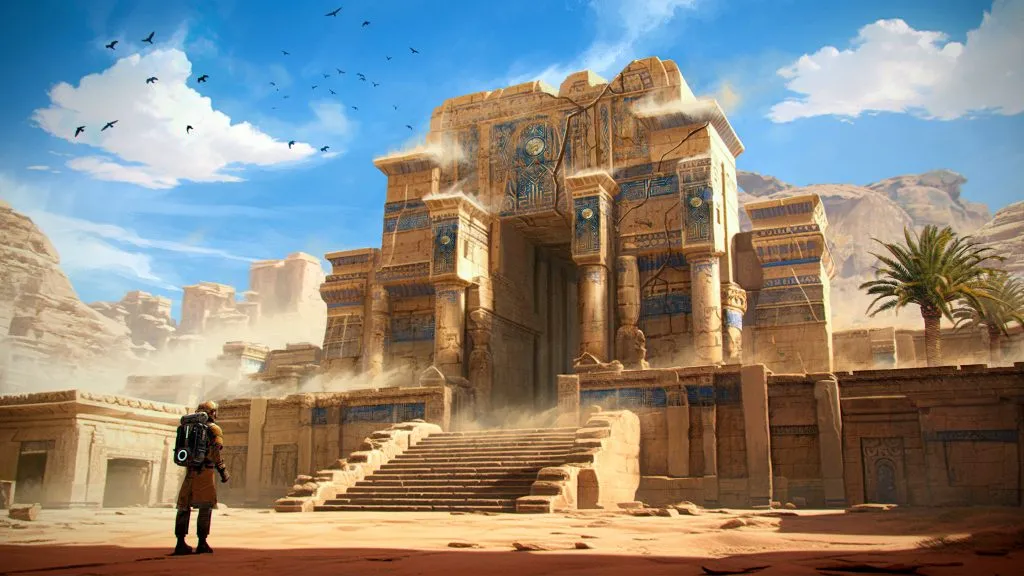
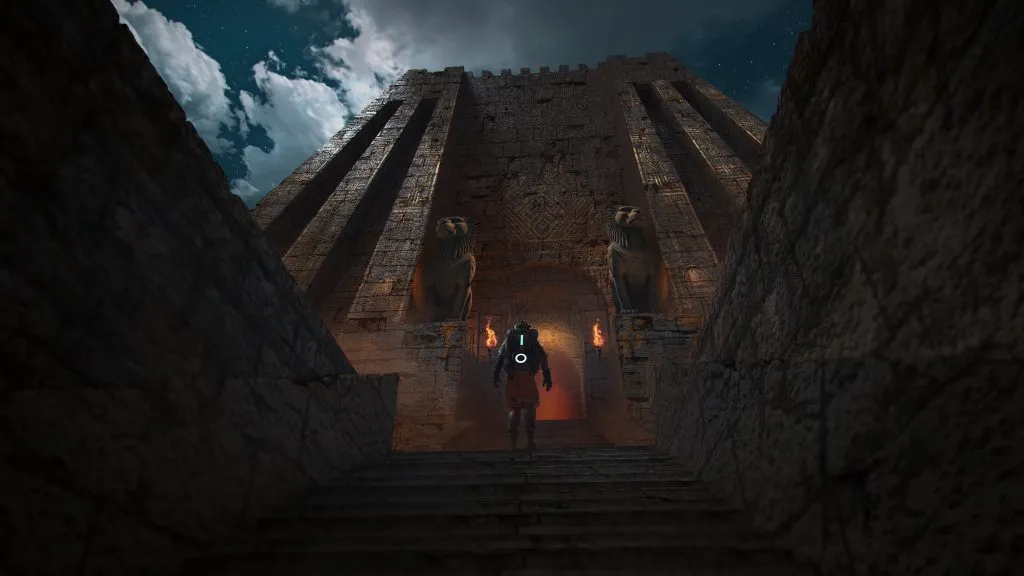
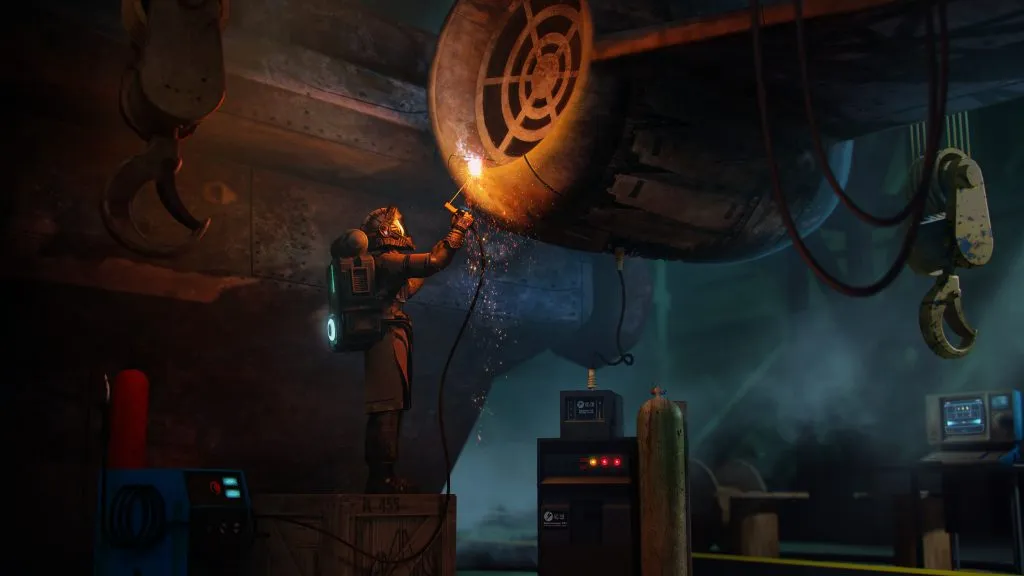
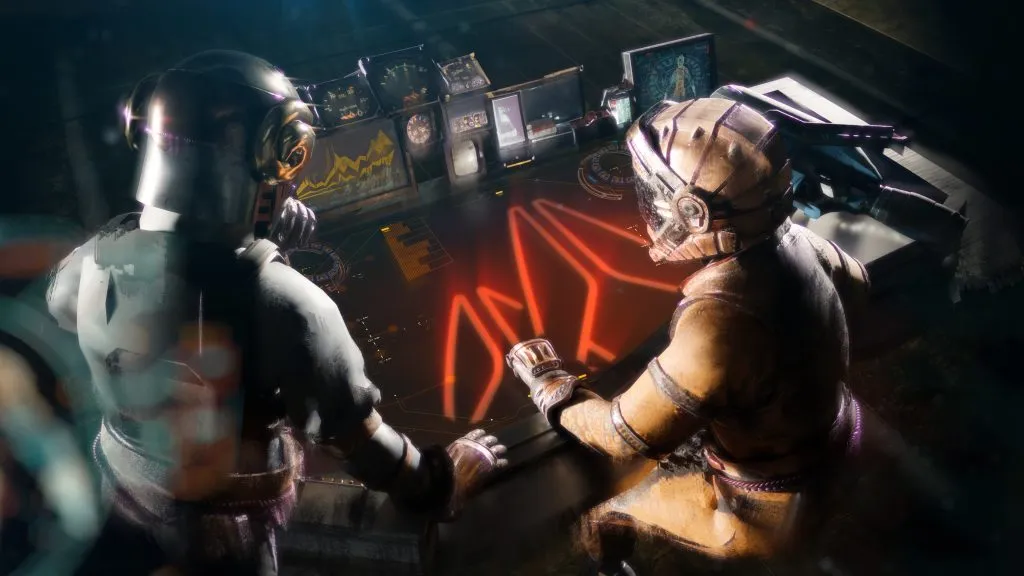
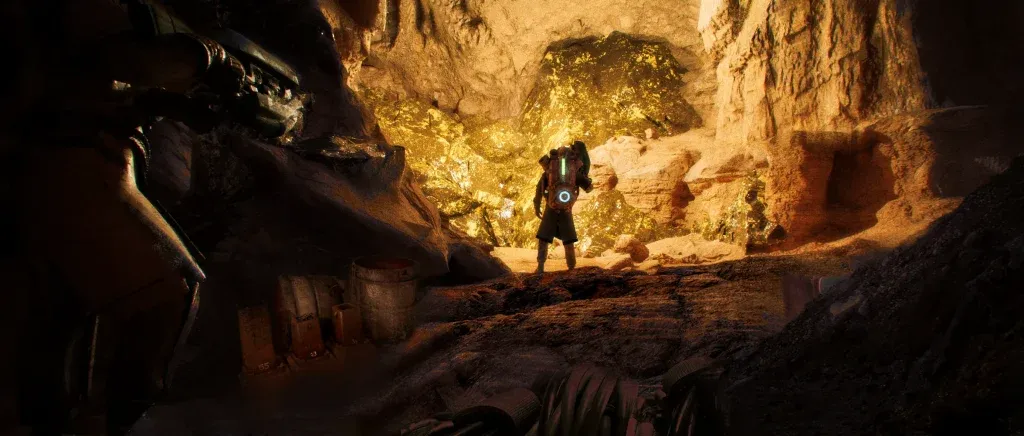
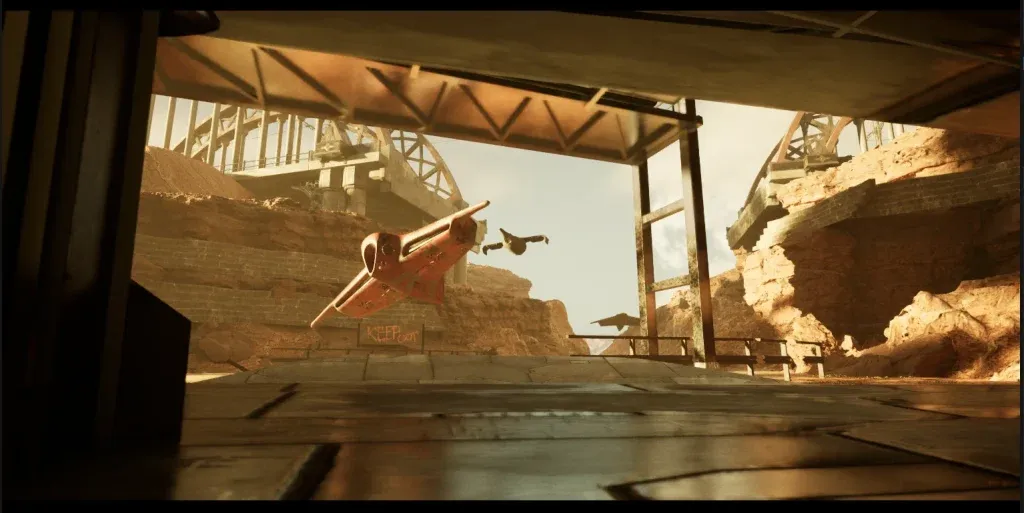
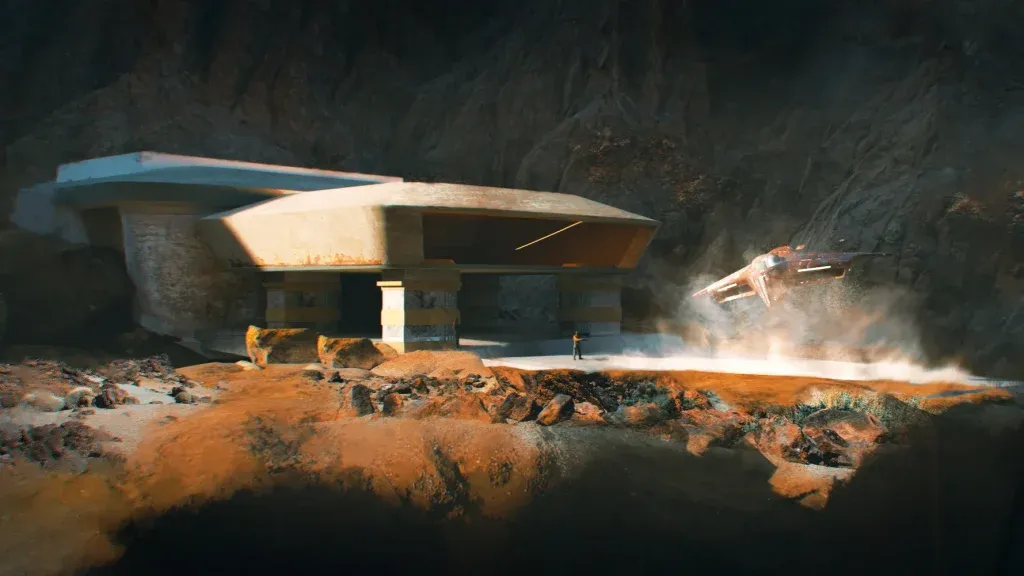
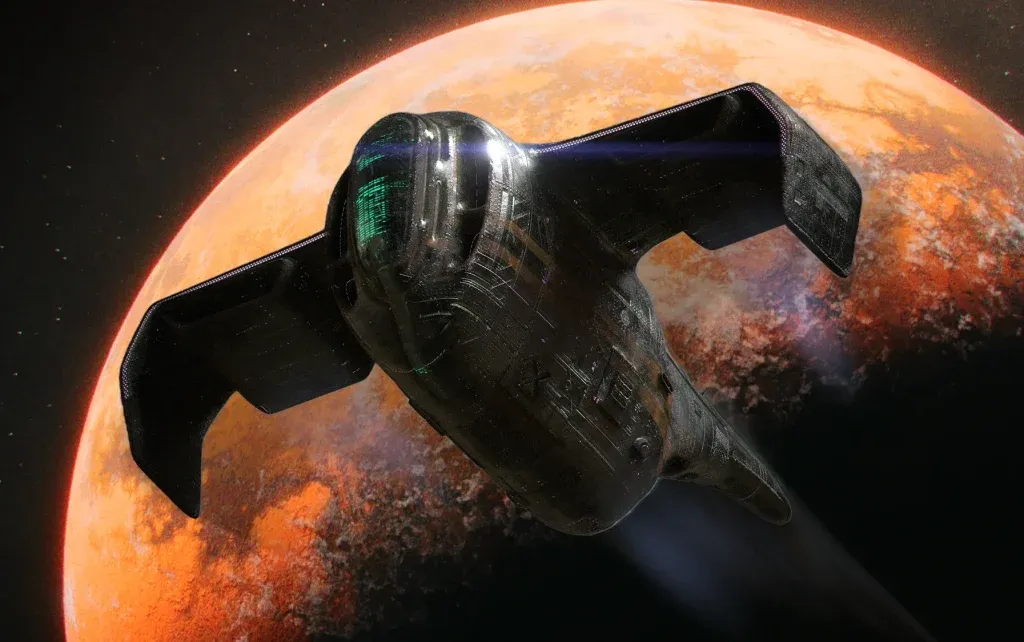
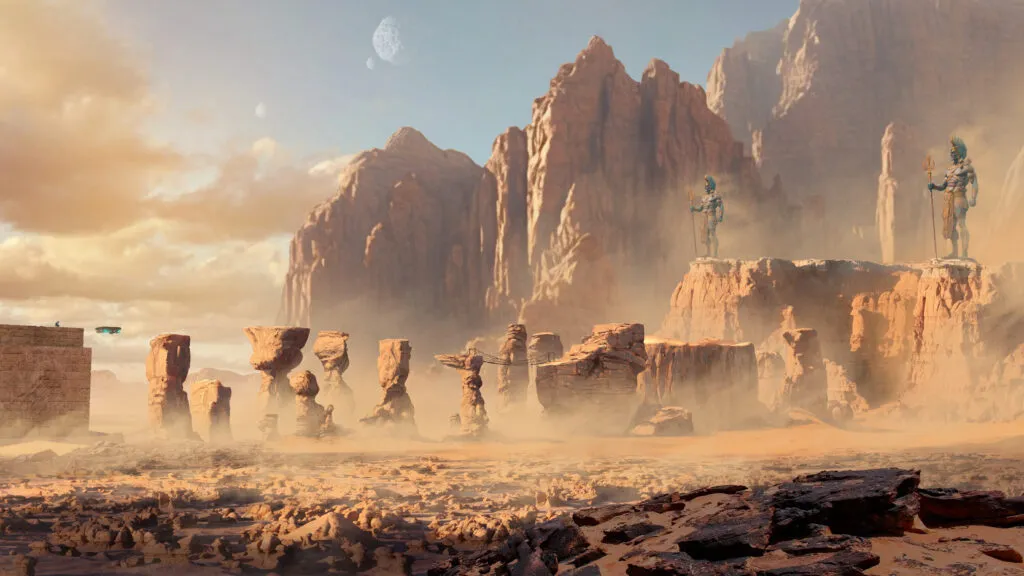
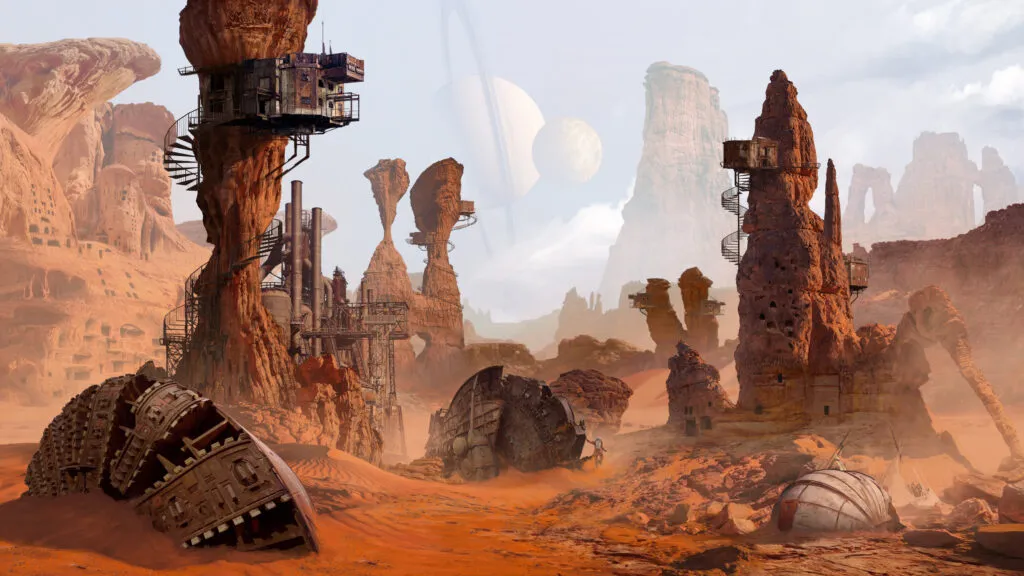
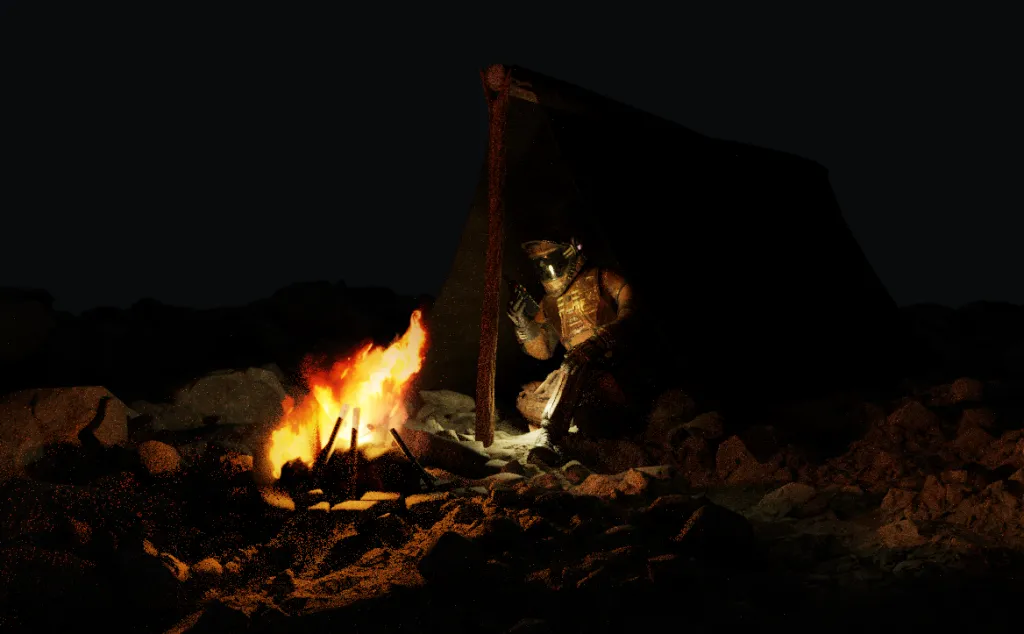
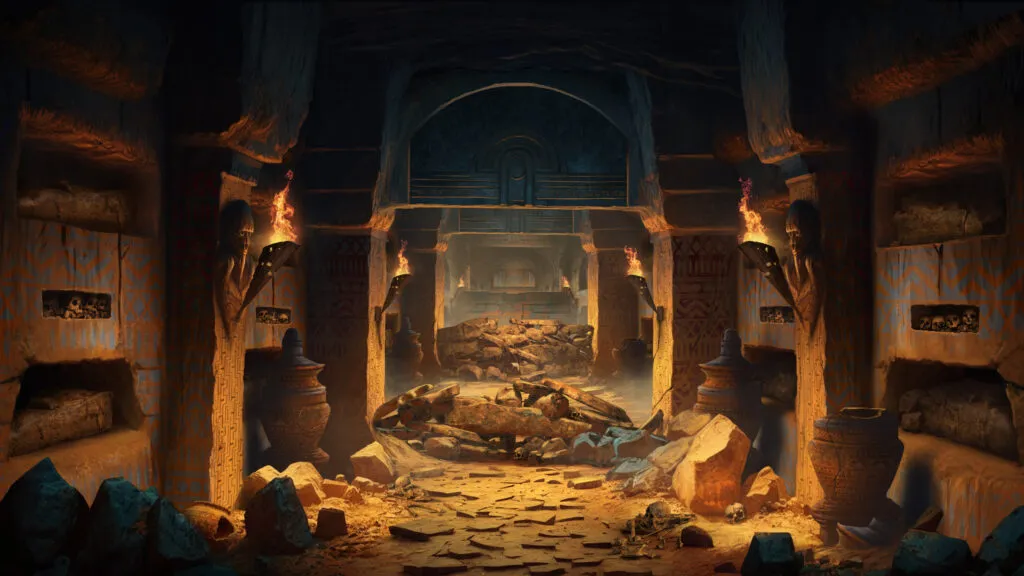
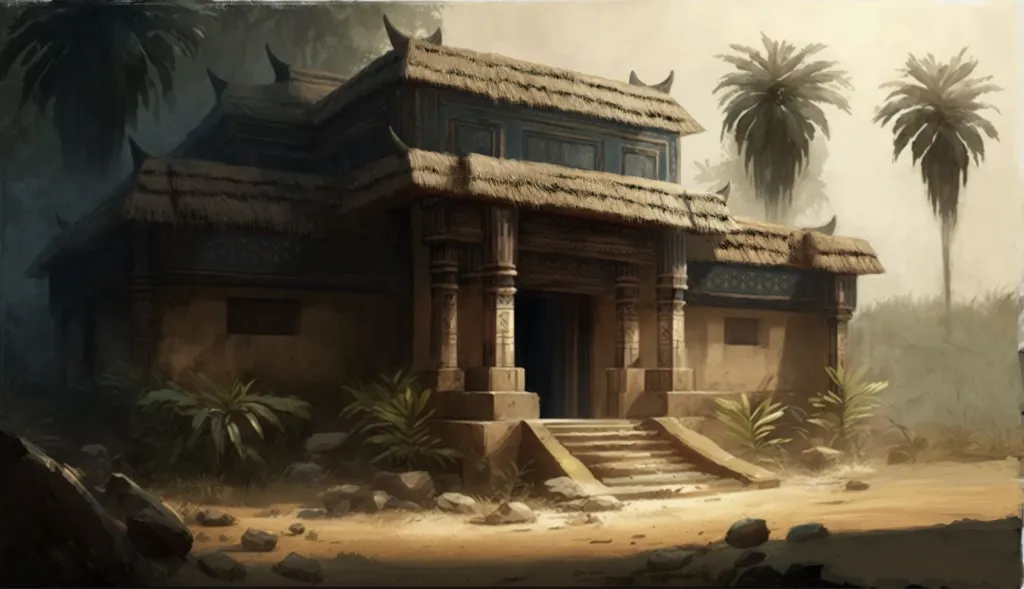
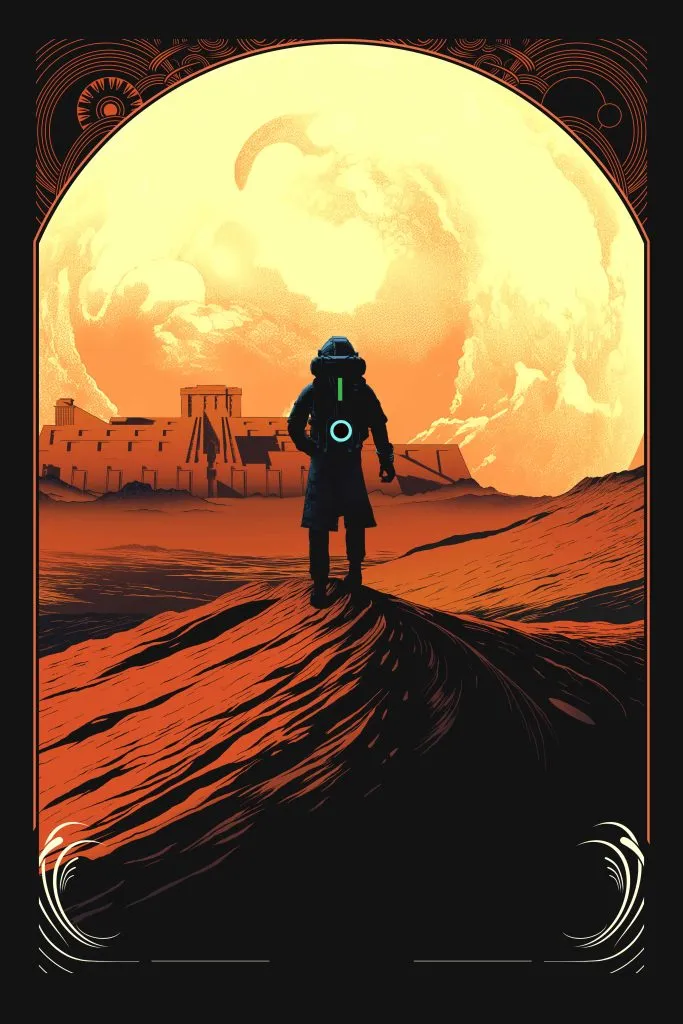
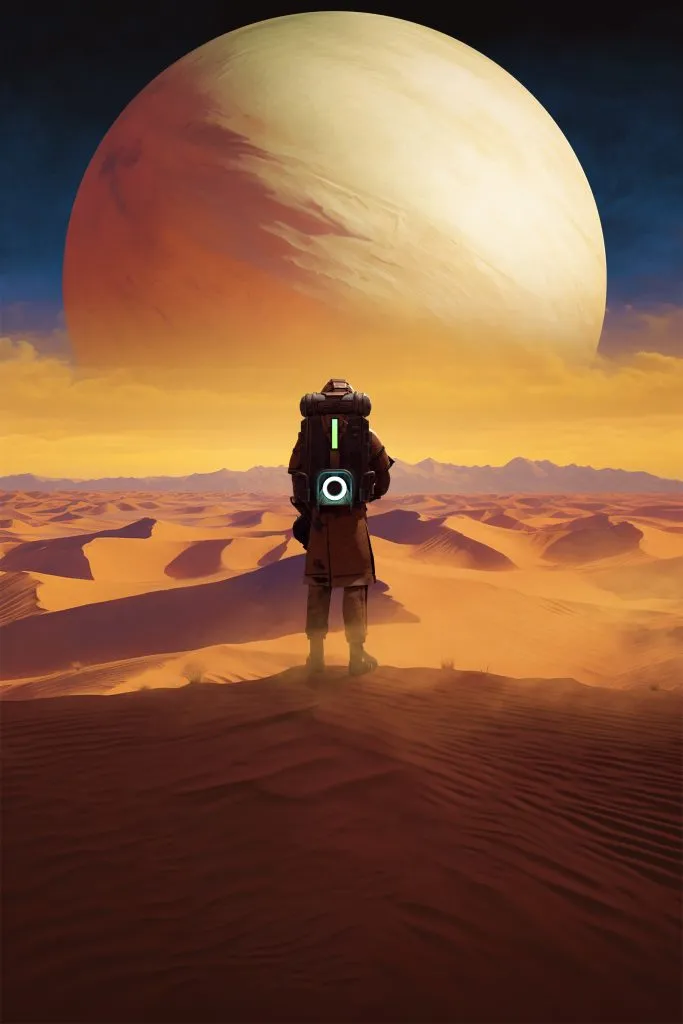
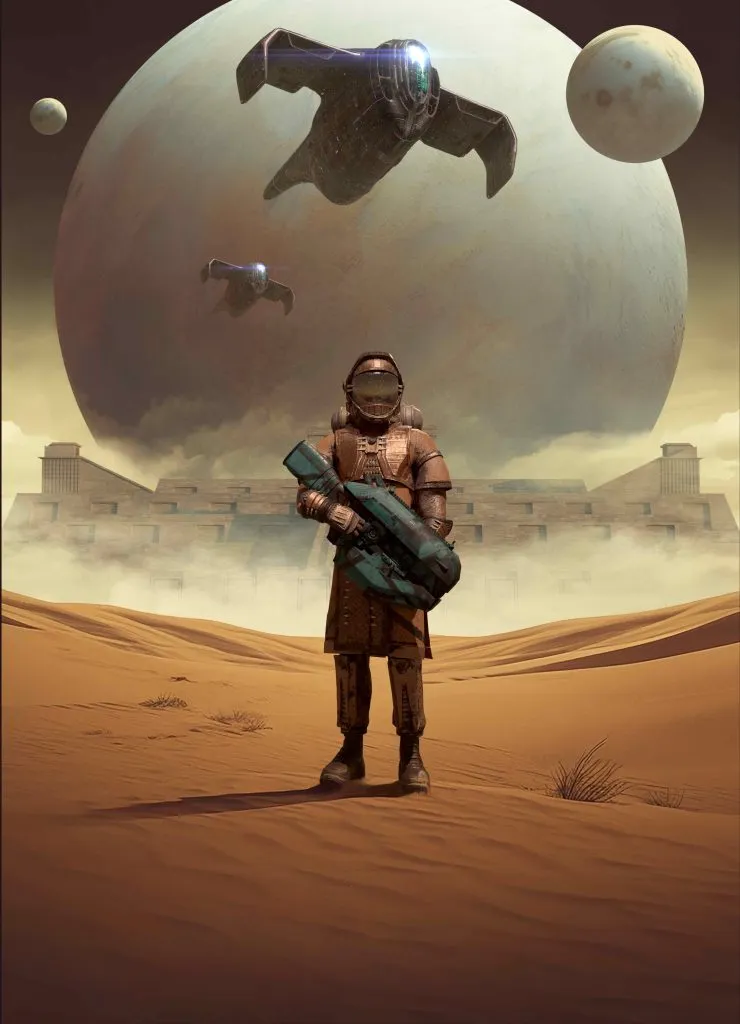
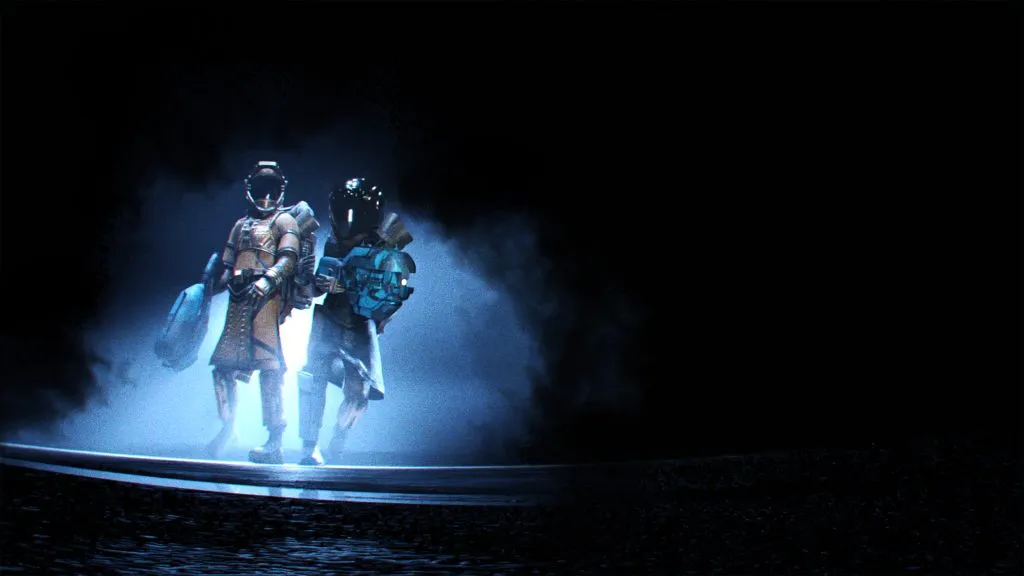
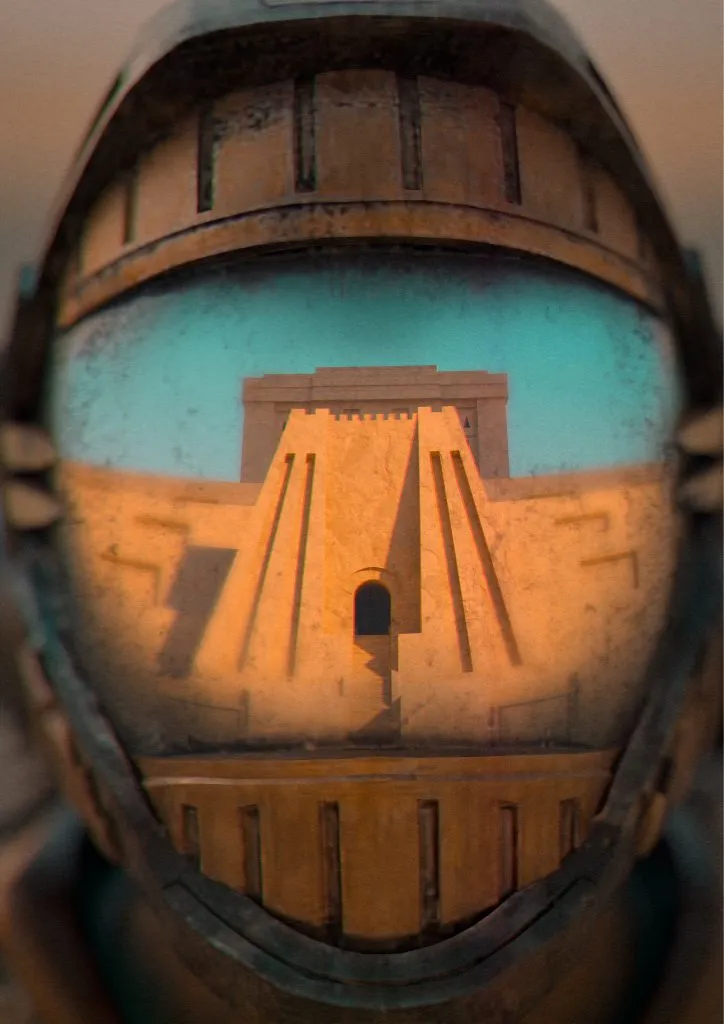
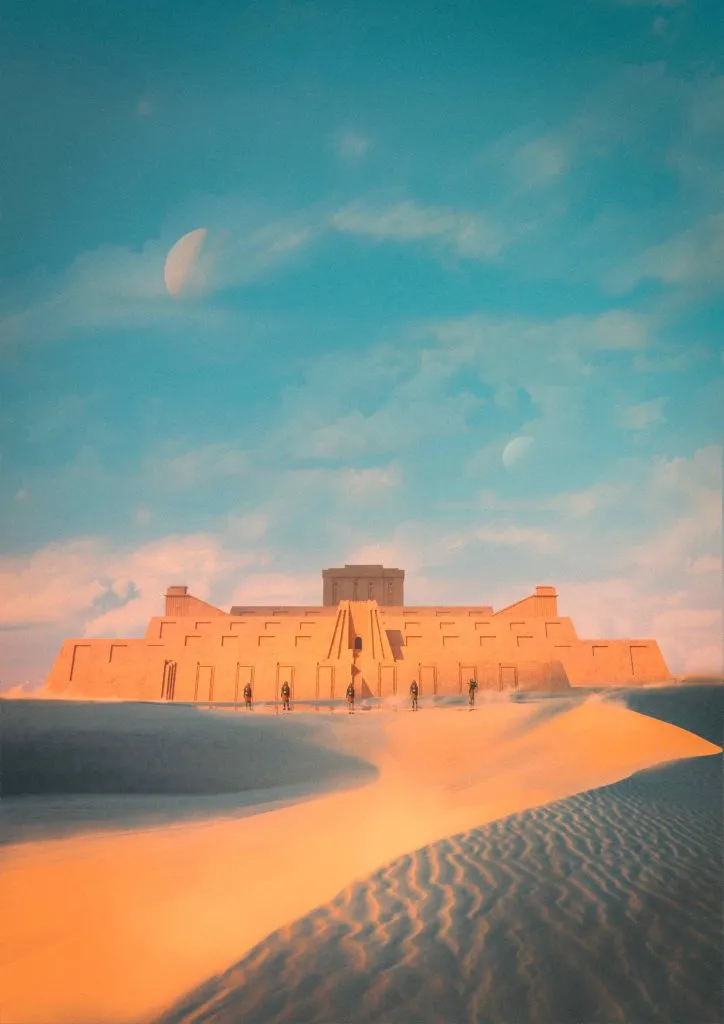
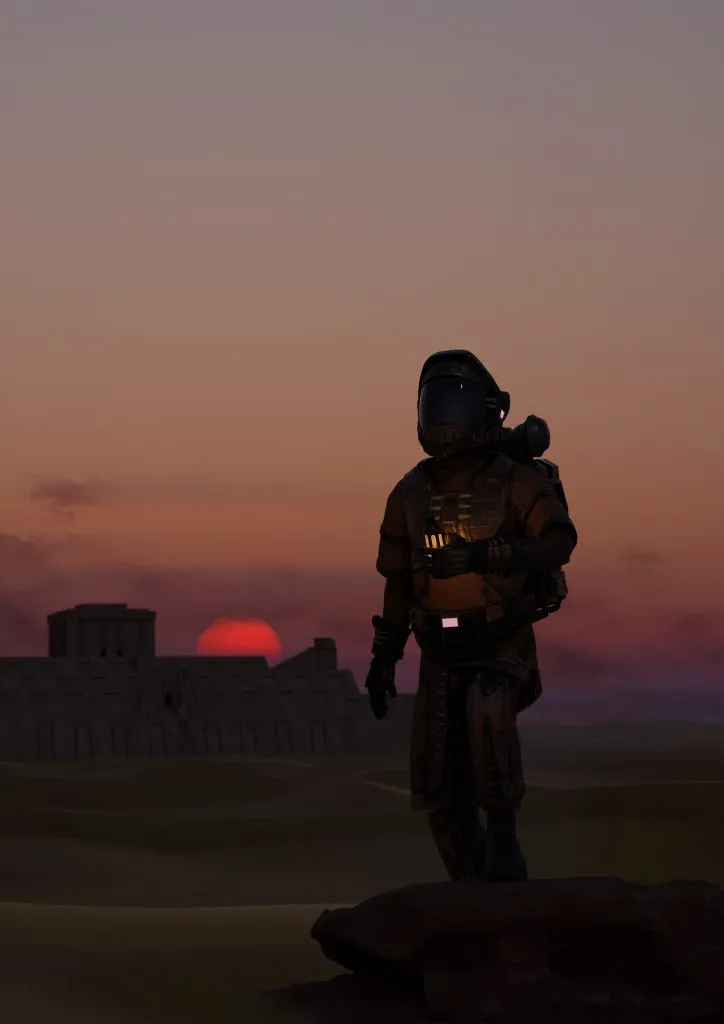
- Characters, suits, and accessories
- Environment mood and set dressing
- Vehicles, props, and equipment design
UE5 cinematics and motion design.
Cinematics were produced in Unreal Engine 5 using a real-time pipeline that enabled fast iteration and consistent lighting. Focus on cinematic pacing, motion language, and trailer-ready polish. A collaboration with Ruslan.
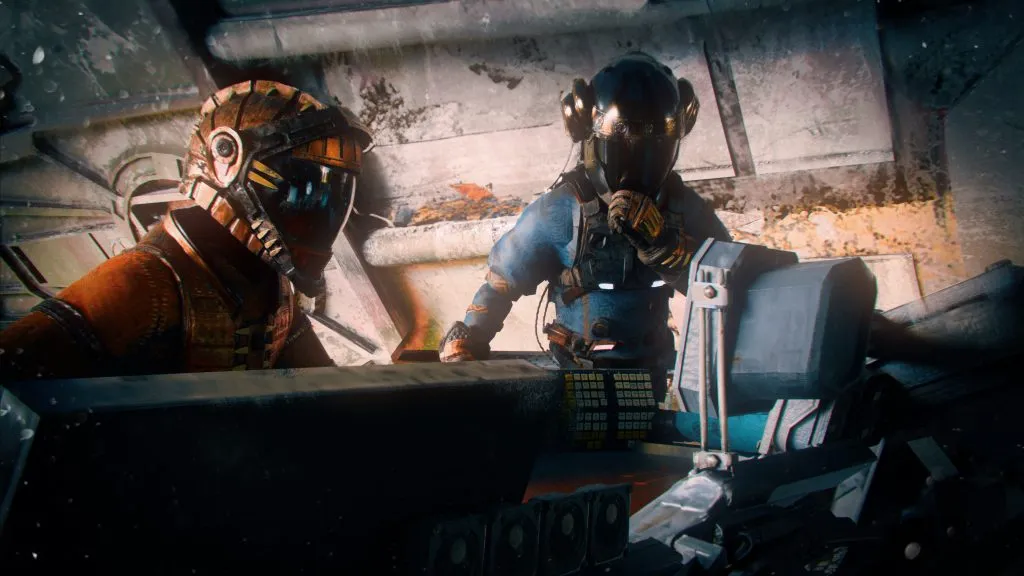
- Sequencer assembly and cinematic timing
- Camera language, transitions, and motion systems
- VFX integration and compositing polish
- Final edit support for trailer and marketing use
VFX asset prototyping.
Early VFX asset tests and prototyping for Spaceminers — exploring real-time effects, particle behaviour, and look development in Unreal Engine before final cinematic integration. R&D passes like this kept iteration fast across marketing cinematics and in-engine scenes.
level design prototyping.
I implemented spaceship mechanics using Blueprints in Unreal Engine 5, prototyping the functionality early in production. I personally playtested the blocked-out level before collaborating with modelers and texture artists to replace the initial primitive boxes with final game art.
- Blueprint prototyping for spaceship movement and interaction
- Greybox blockout and level flow validation
- Handoff to modelling and texturing once gameplay read clearly
in-engine level.
After blockout and final art passes, two views of the Unreal Engine 5 level — a camera flythrough for environment scale, lighting, and set dressing, plus a gameplay run-through showing navigable space beyond the marketing cinematics.
characters & accessories.
Character design and asset work was guided by a consistent visual system — assets that read clearly in cinematic framing and support the world's story and tone. Art direction drew inspiration from Imario (The Mandalorian).
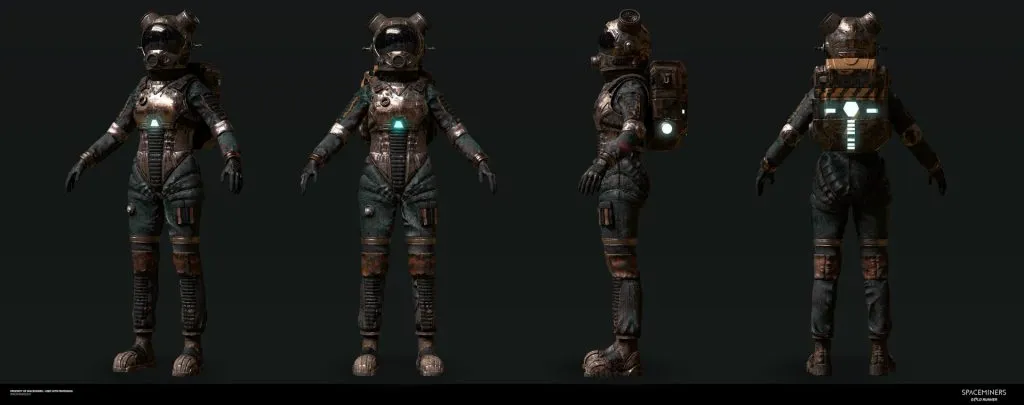
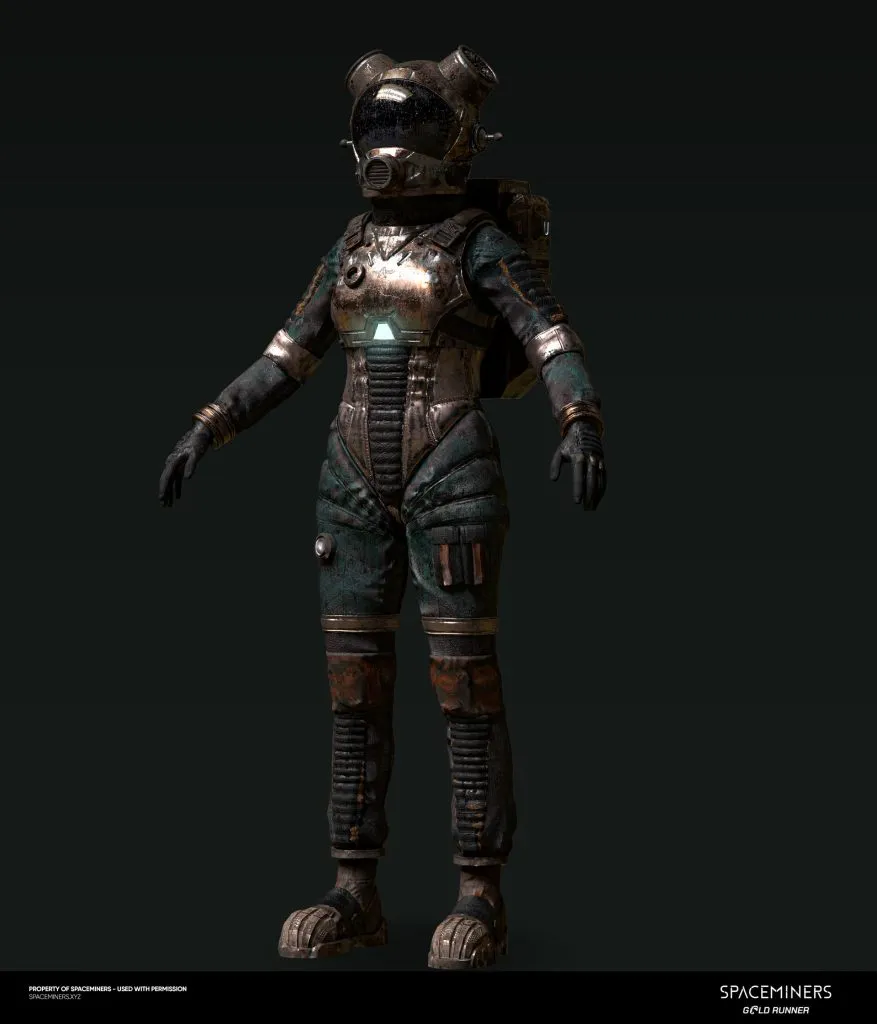
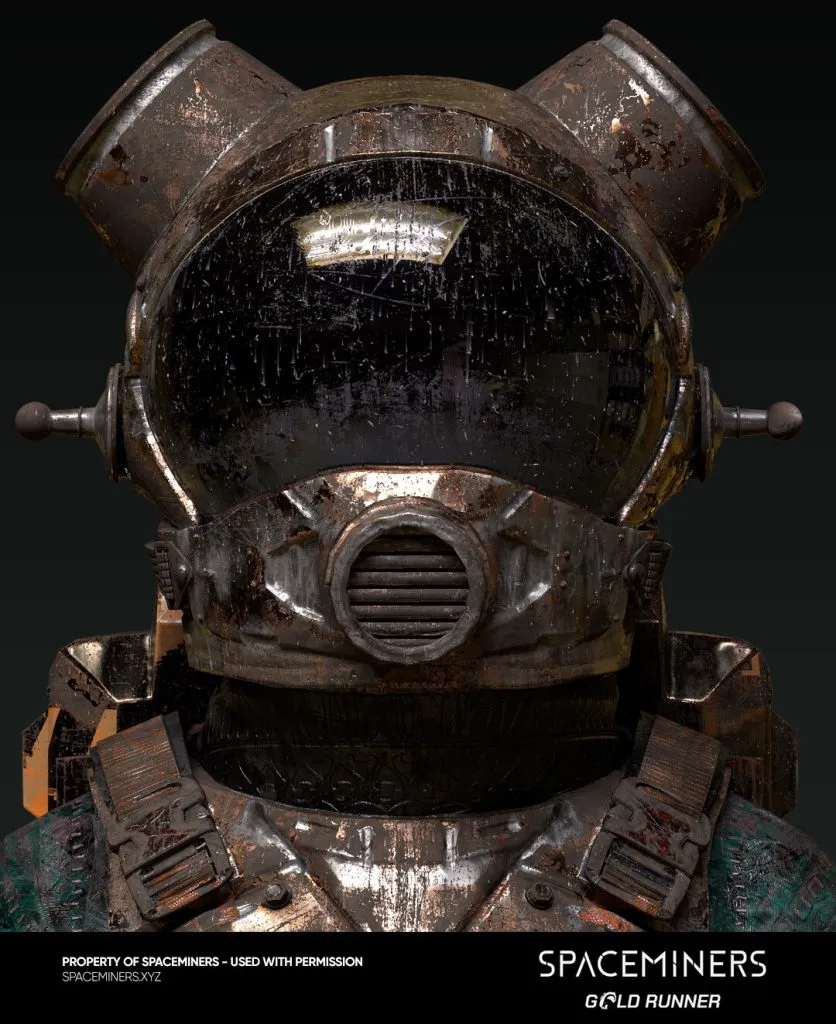
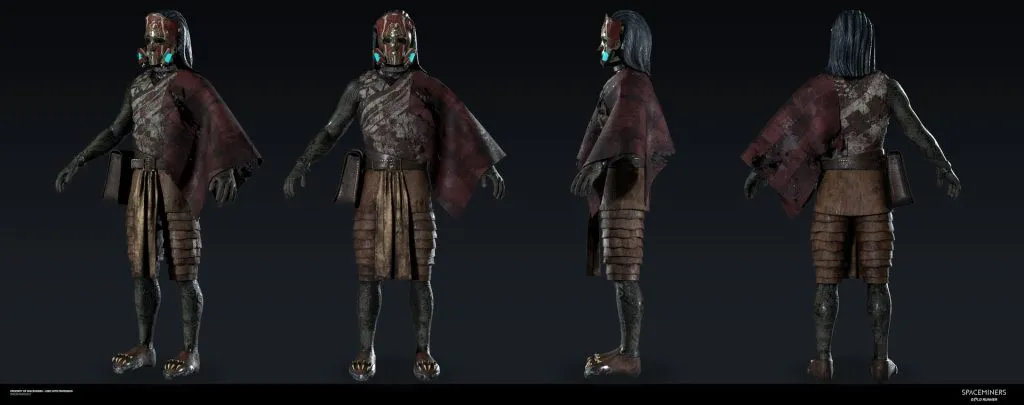
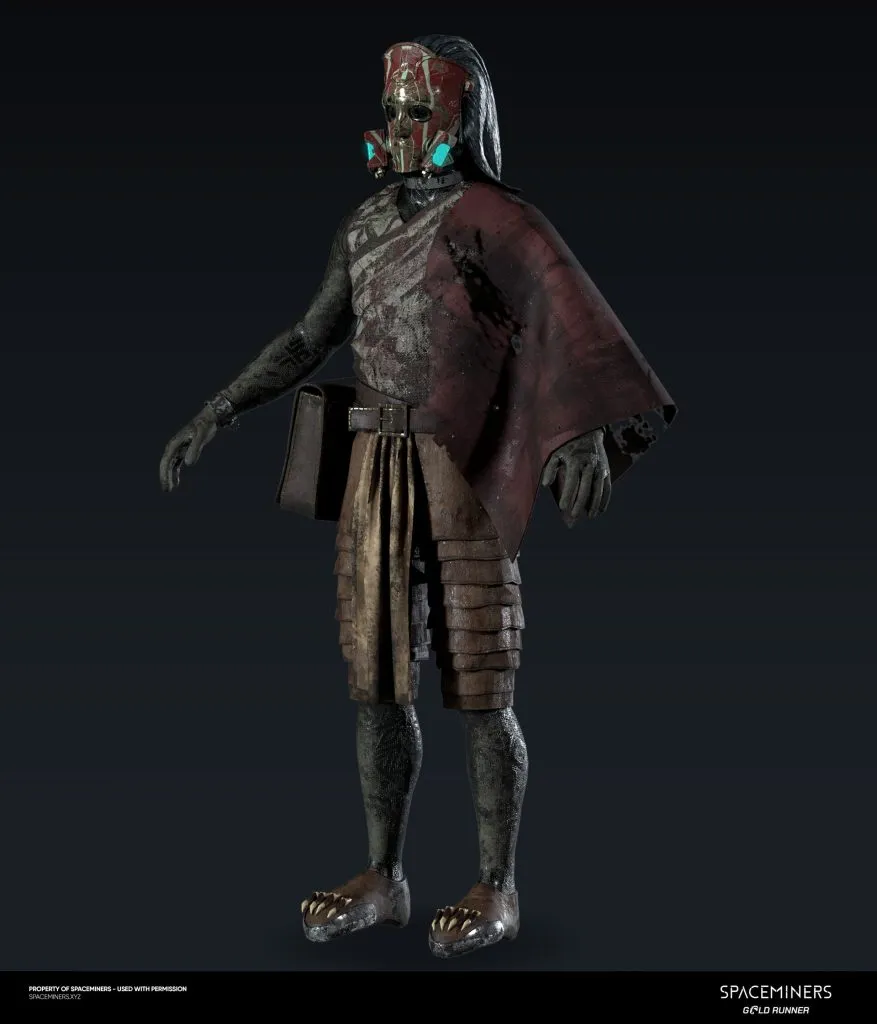
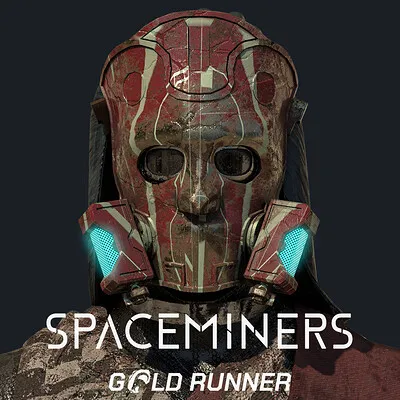
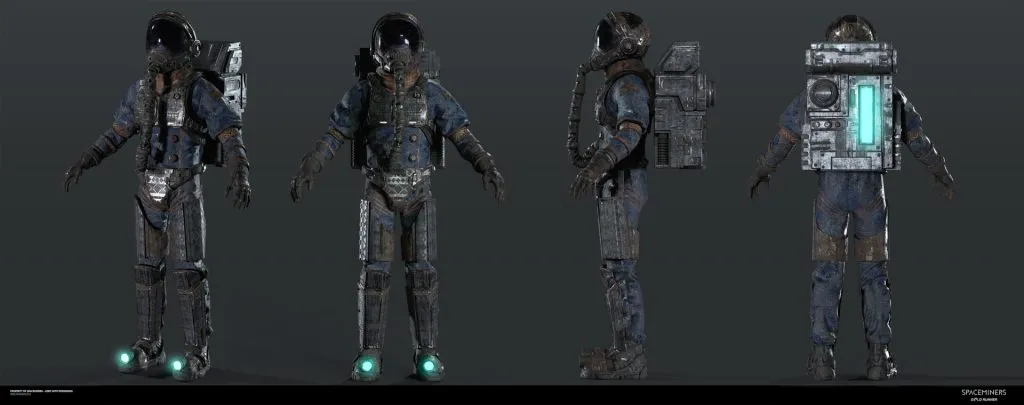
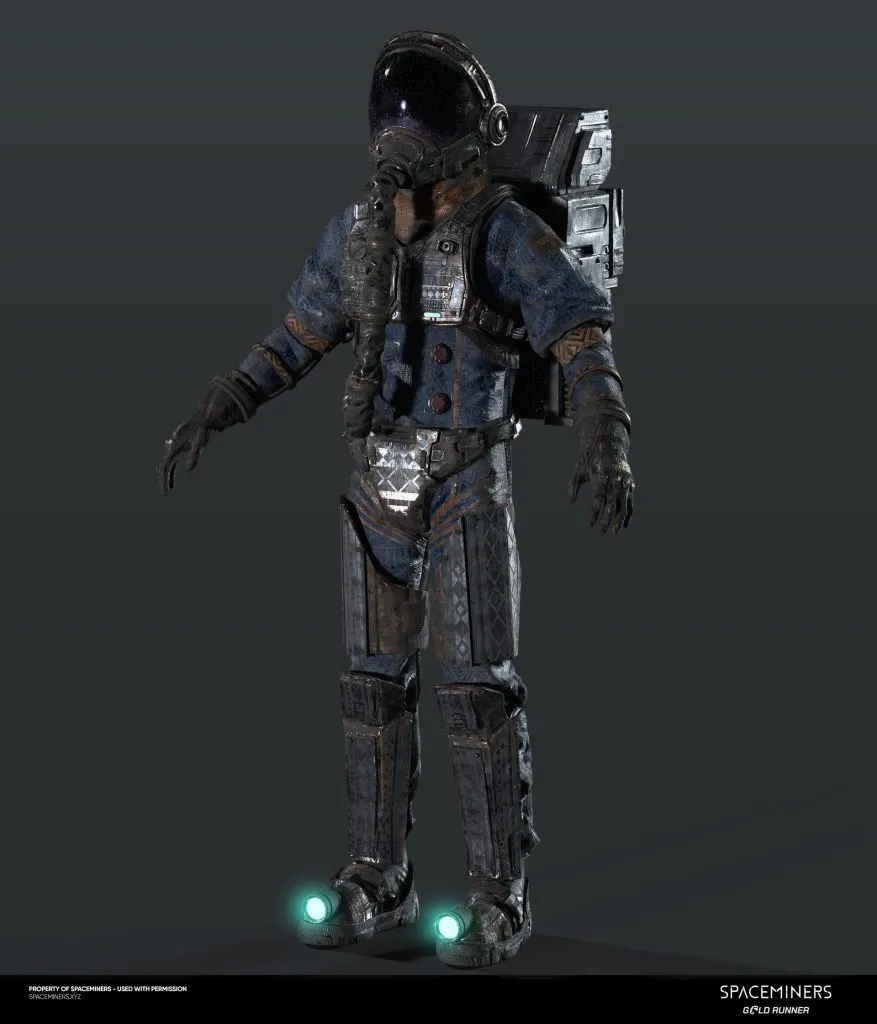
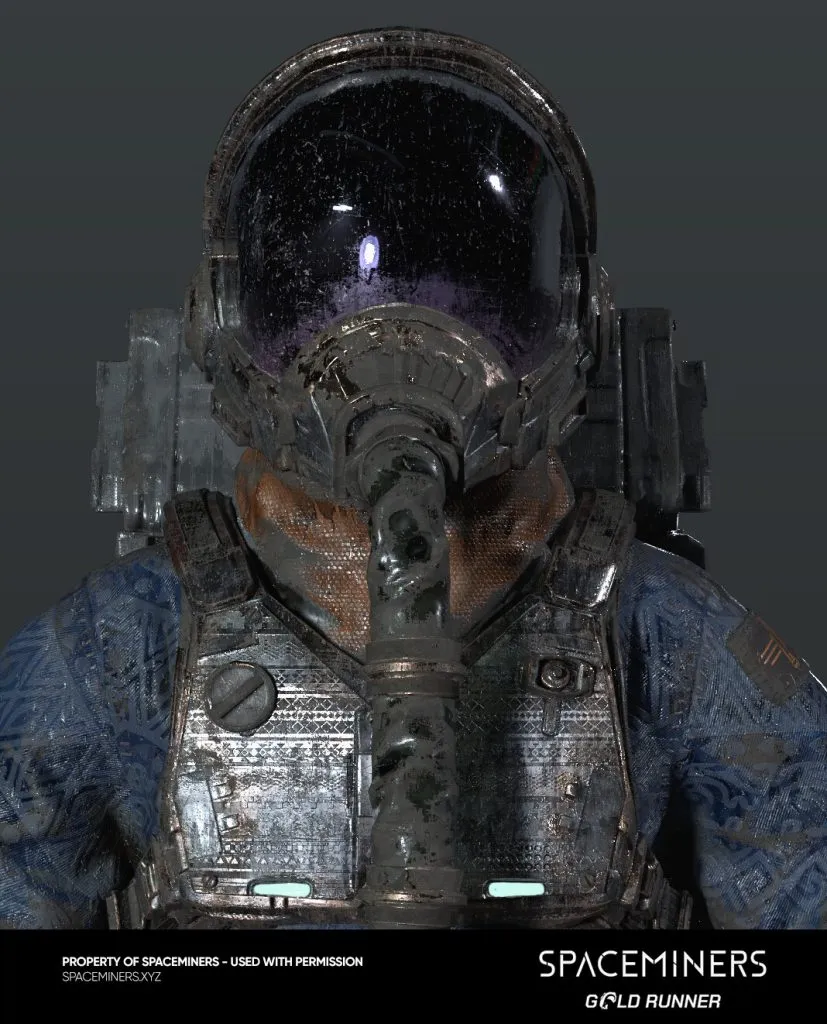
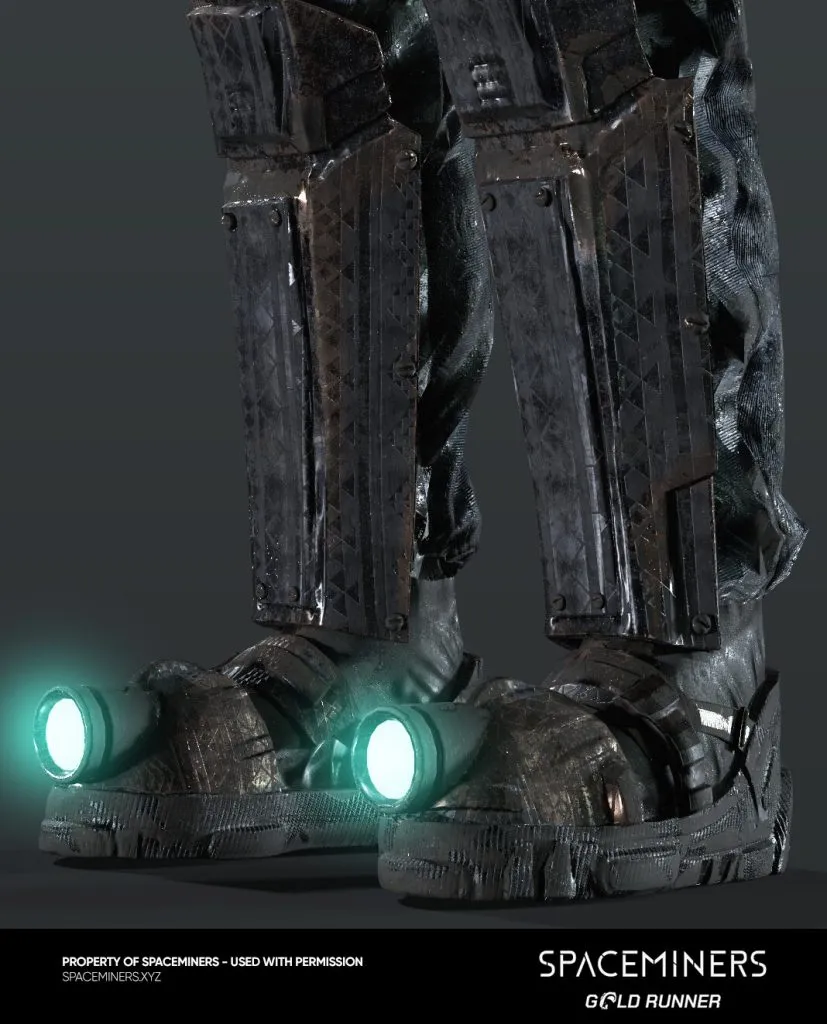
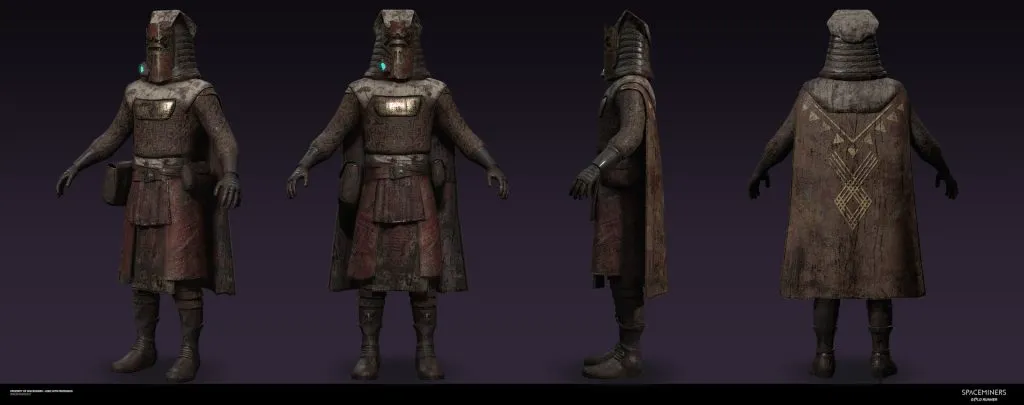
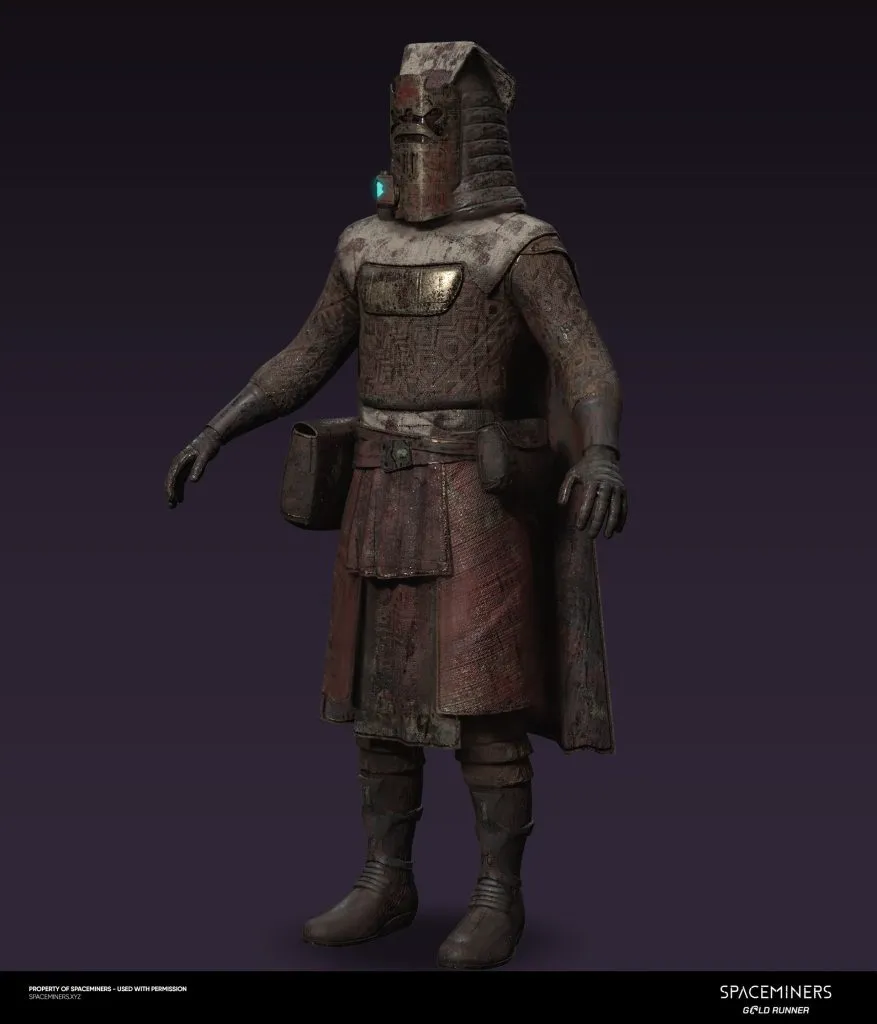
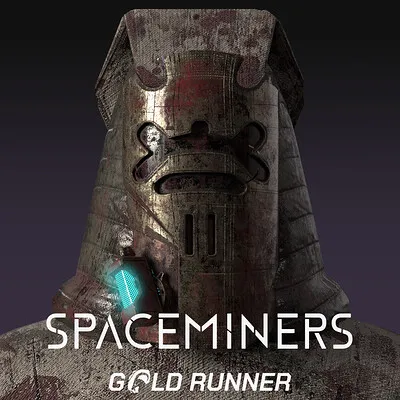
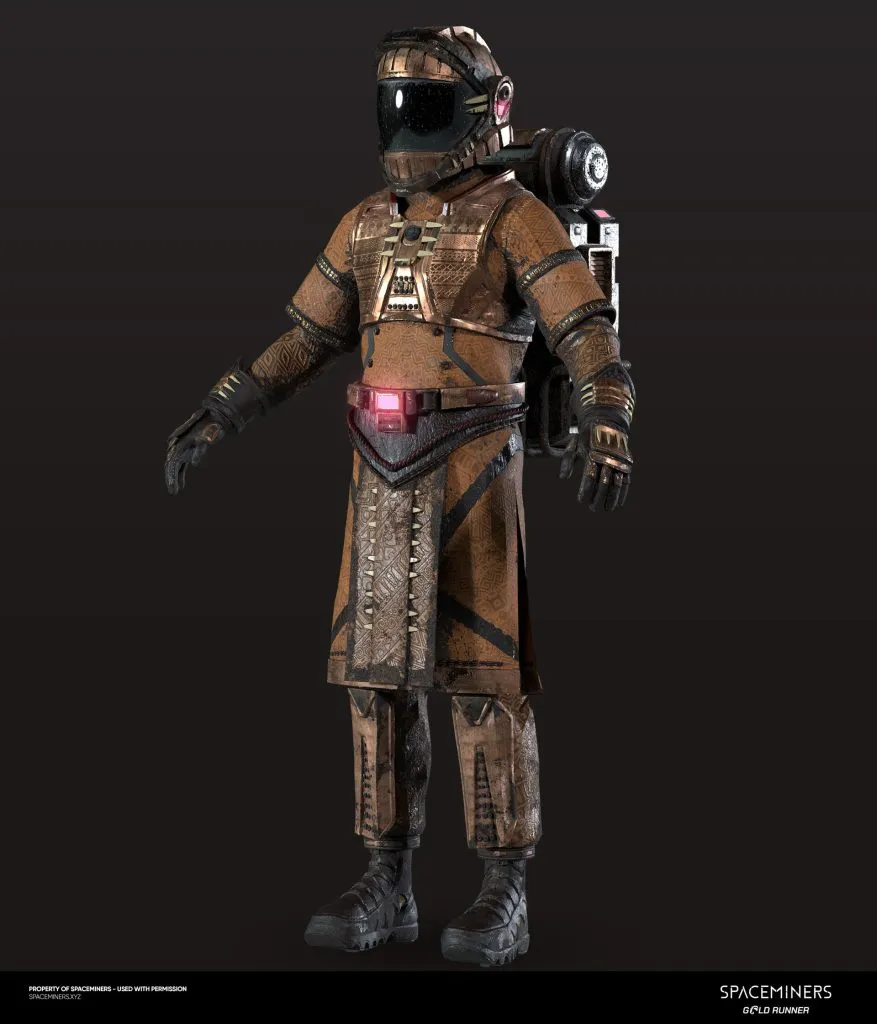
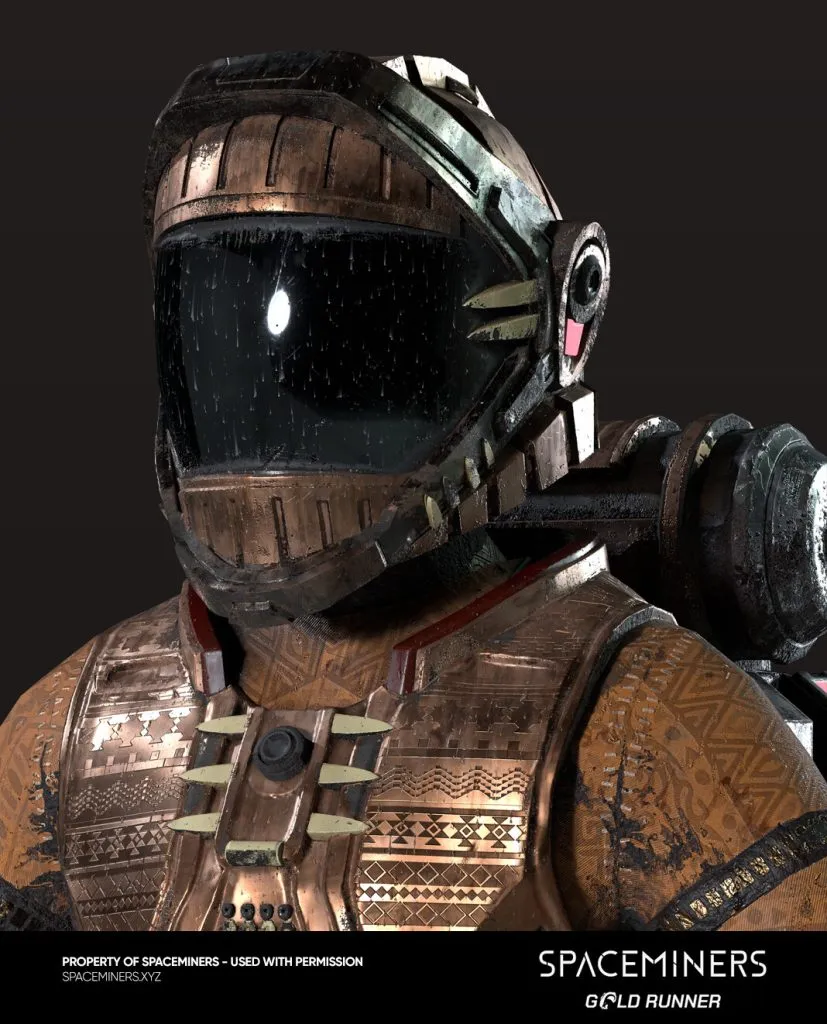
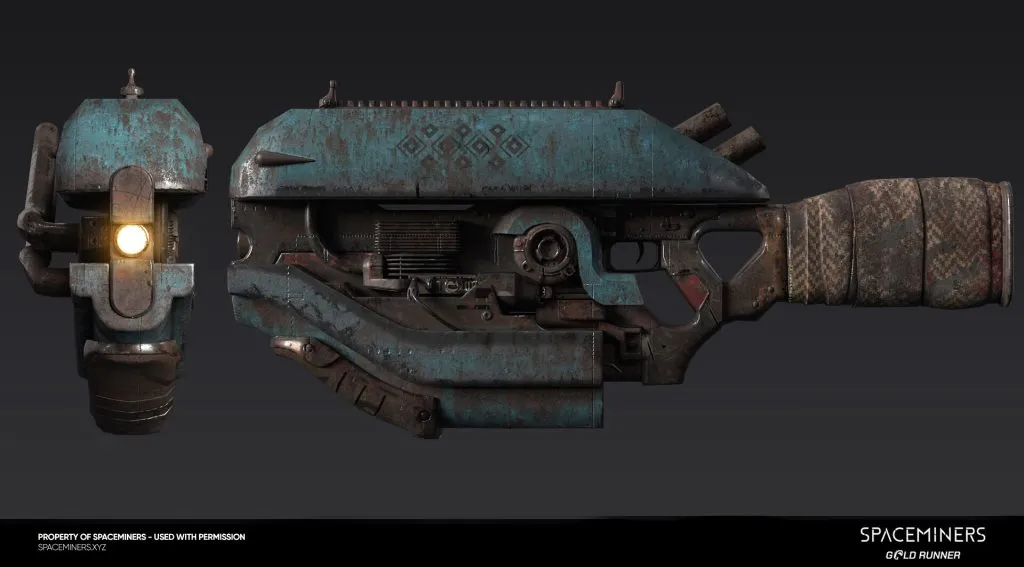
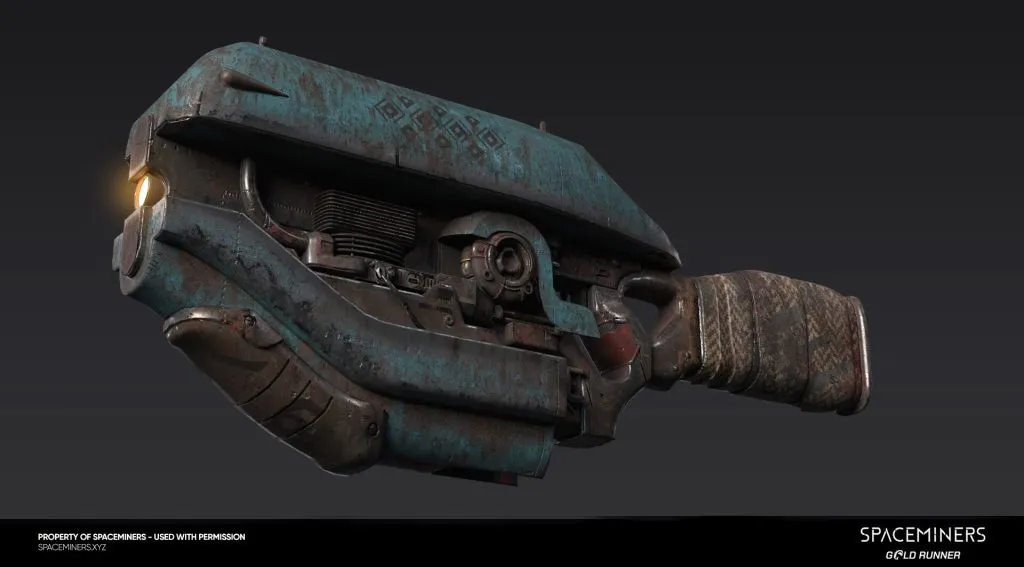
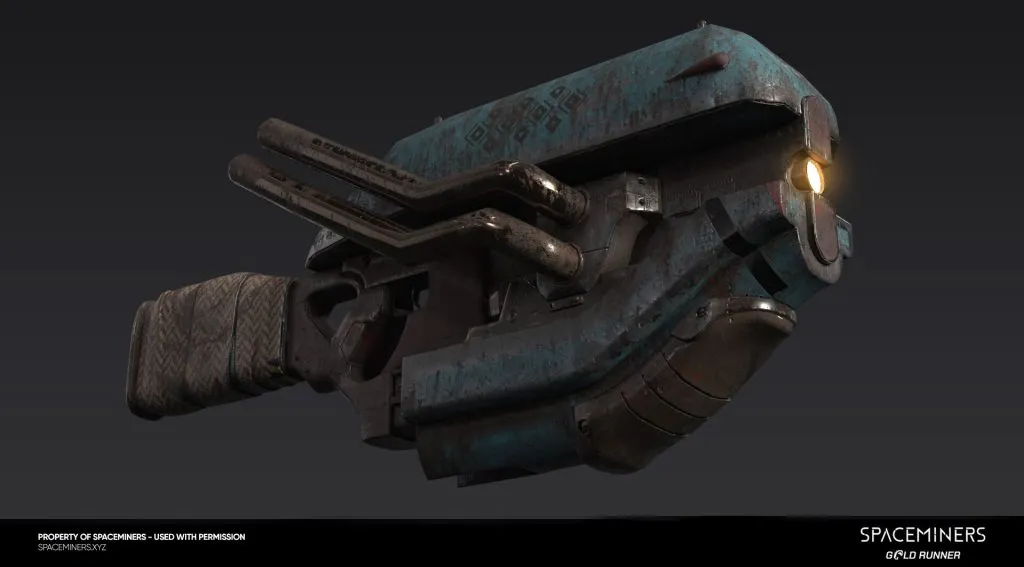
- Consistent silhouette language across suits and gear
- Material definition for readability and realism
- Presentation-ready renders and cinematic shots
tools and pipeline.
Production-ready pipelines across real-time, offline, and compositing workflows — with template-based motion systems and reusable project structures to speed up delivery.
- Unreal Engine 5 — cinematics, sequencing, real-time lighting
- After Effects — compositing, motion graphics, polish
- Houdini / Cinema 4D / Redshift — FX and animation
- Photoshop / Illustrator — concept support and graphics