
Game Art Direction · Concept Art · UE5
burial chambers
Art Direction & Concept Art — Spaceminers
Art direction and concept art for the Burial Chambers — the player's first major environment in Spaceminers. World building for the Coram Nobis civilisation, environment design, character props, 3D implementation, and real-time cinematics in Unreal Engine 5.
game world building and cinematics.
World building for Spaceminers began with defining the lore, tone, and cultural identity of the Coram Nobis civilisation. Visual references, mood boards, and narrative concepts were developed to ensure consistency across environments, props, characters, and cinematics — creating spaces that feel purposeful rather than decorative.
world building, lore & visual development.
Over a two-year period, I led the visual direction of Spaceminers — defining the game's visual language, environments, characters, and cinematic presentation. My role spanned art direction, concept development, environment planning, asset pipelines, and real-time implementation in Unreal Engine.
.webp)
- Cohesive game worlds that support narrative, gameplay, and technical performance
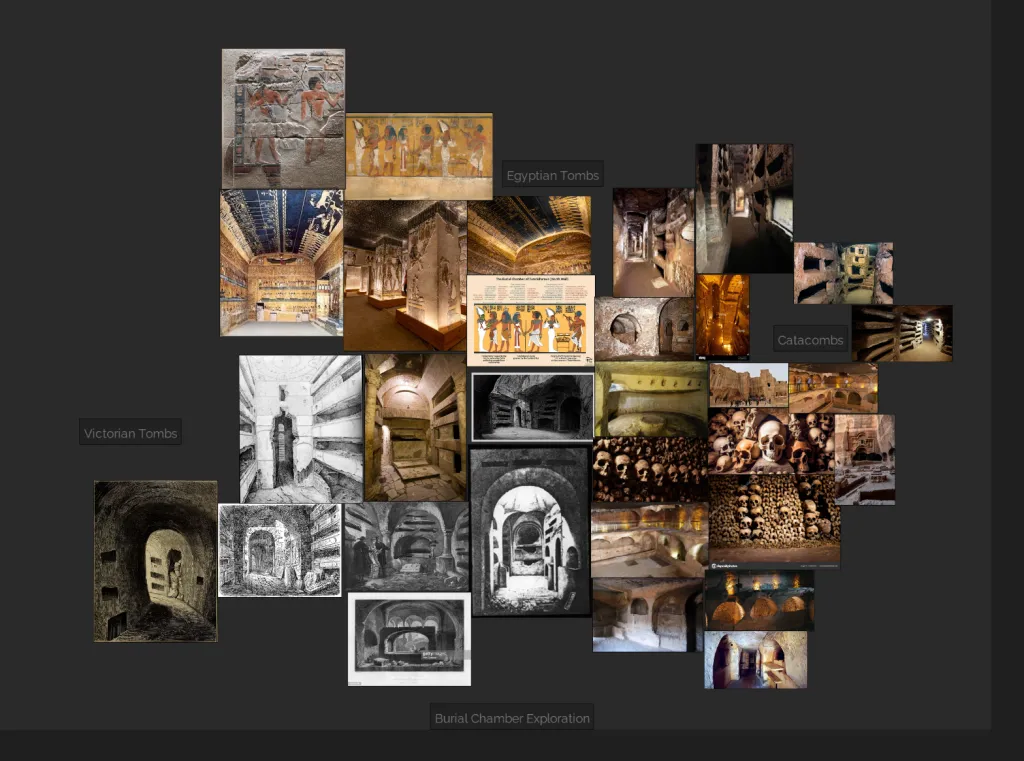
- Mood boards and visual references for catacomb environments
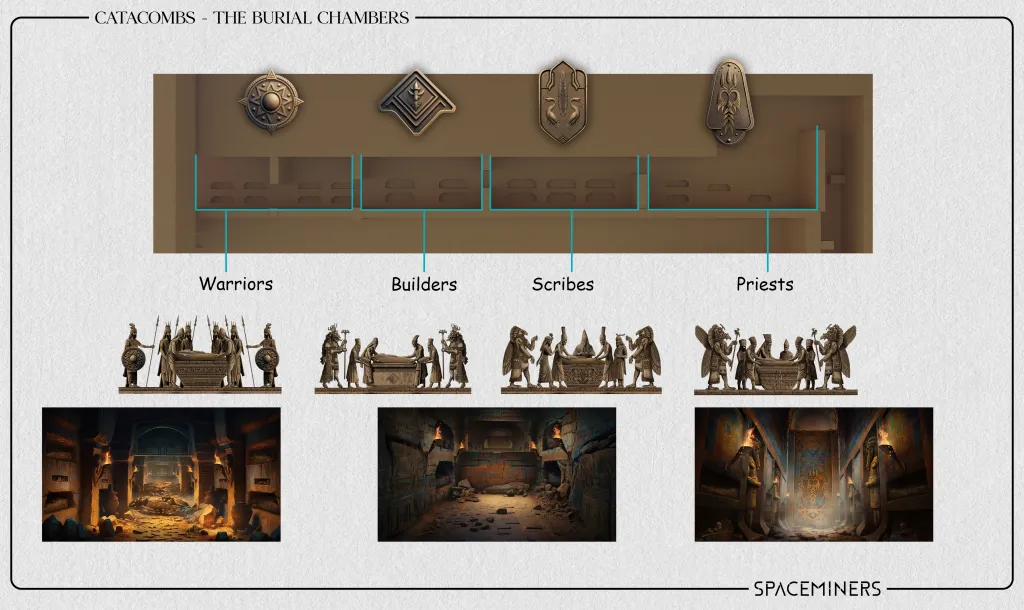
- Burial chamber layout planning and narrative hierarchy
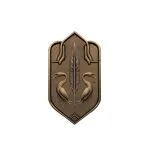
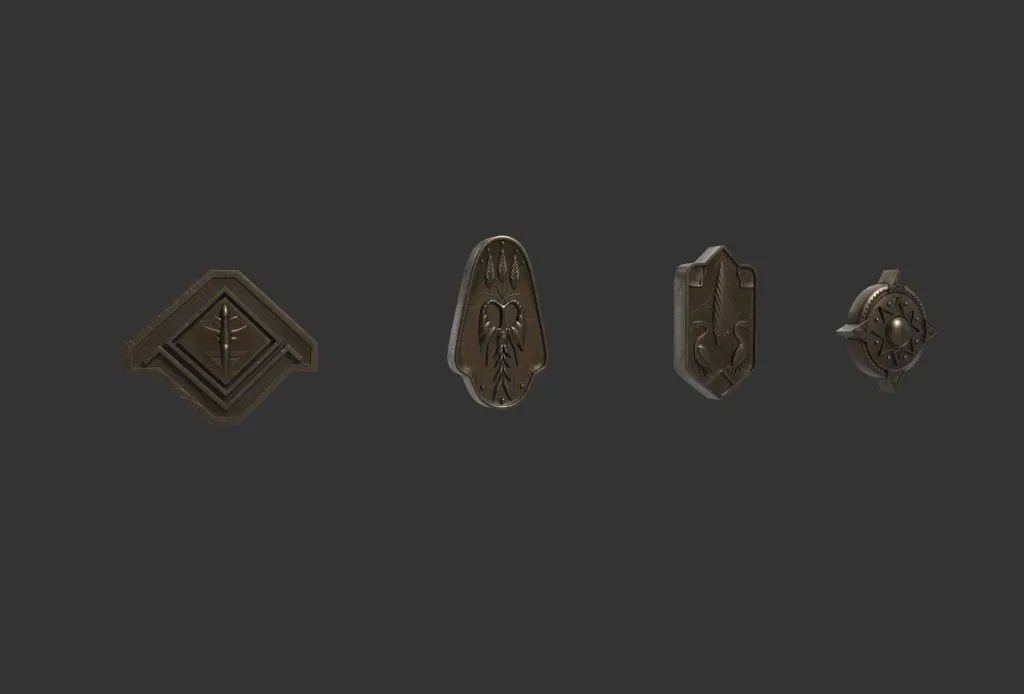
- Tablet and symbol design for Warriors, Builders, Scribes, and Priests
environment design & level art.
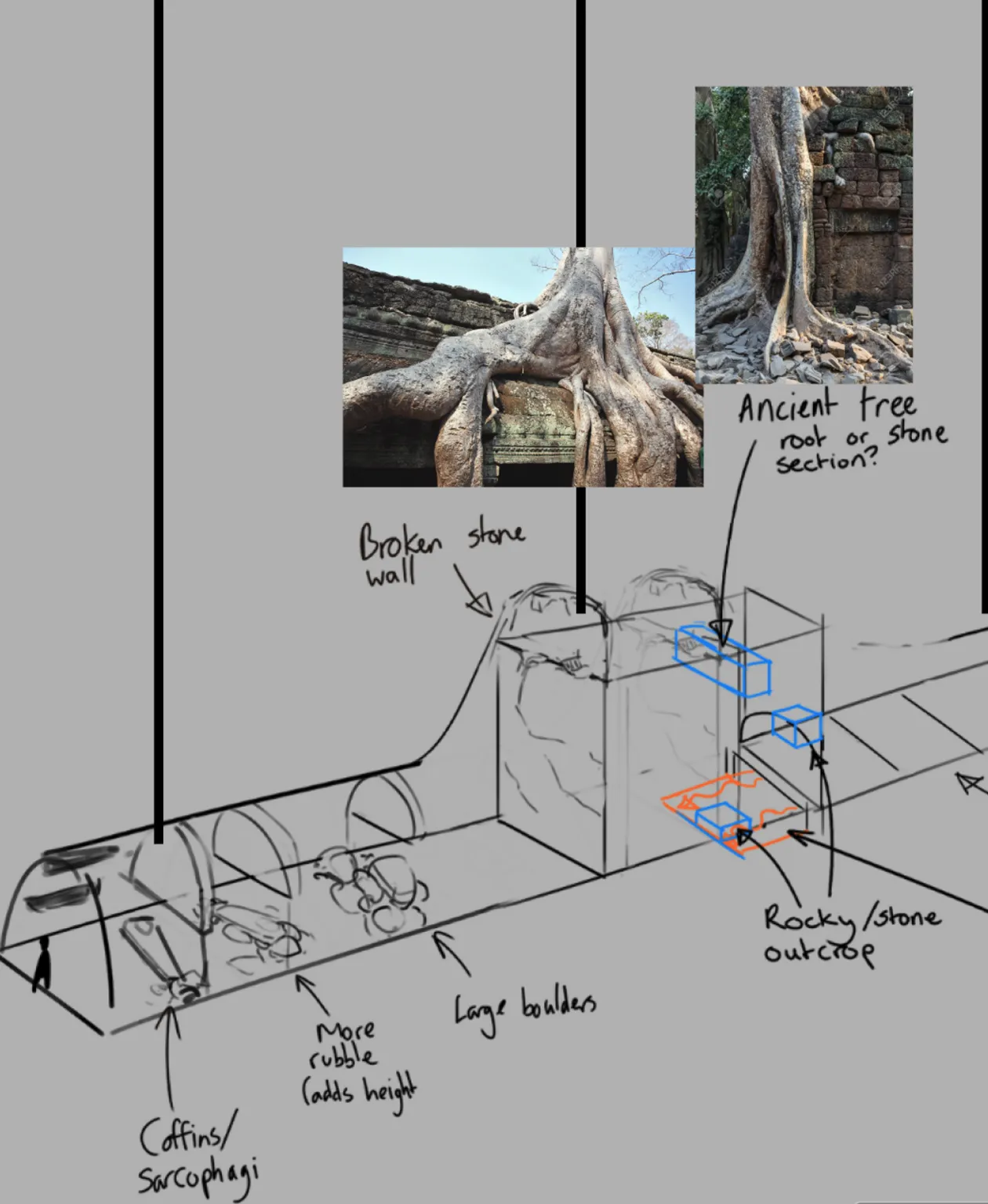
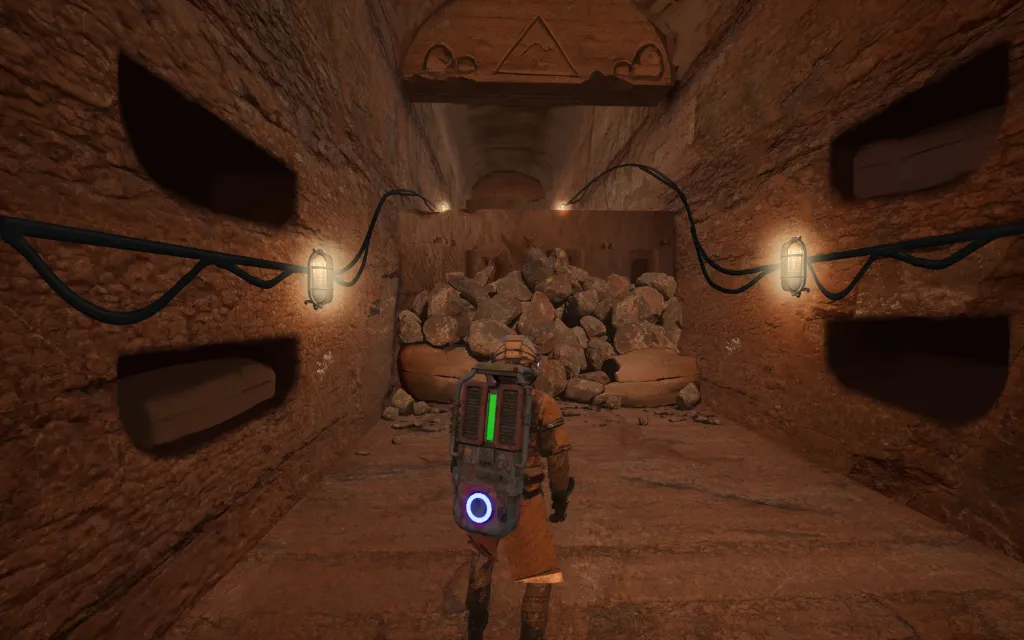
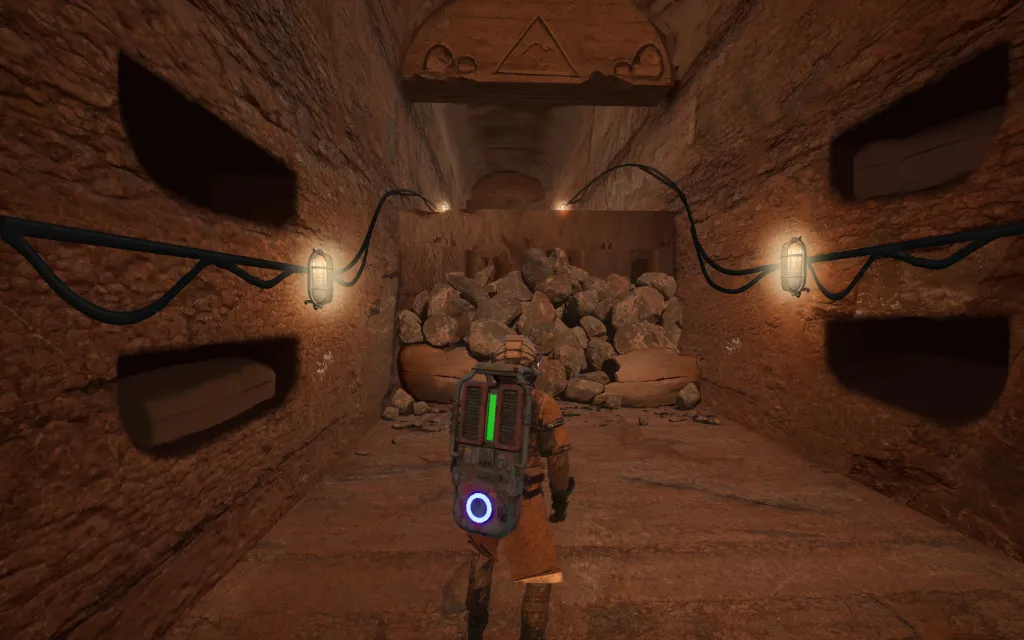
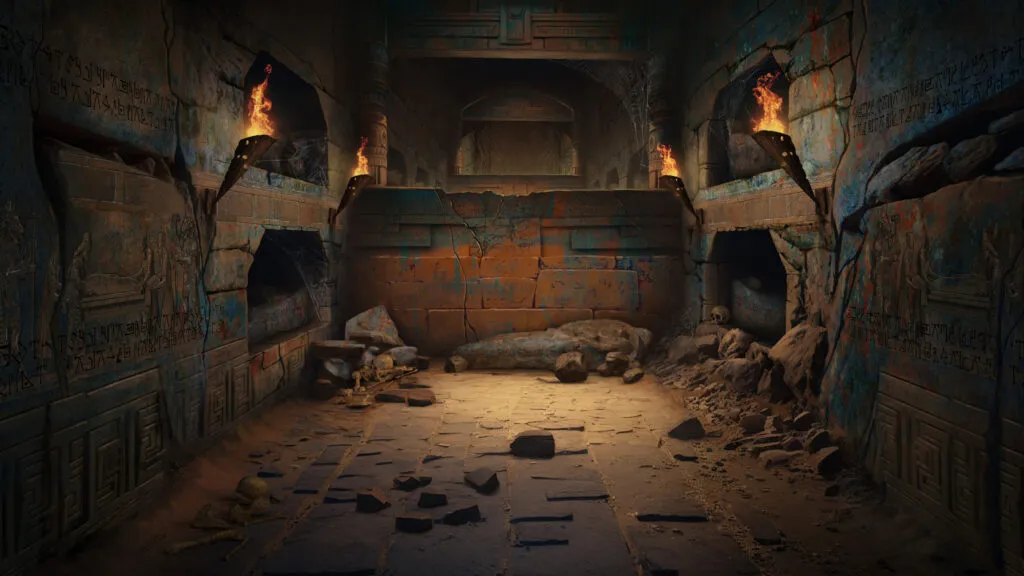
The Burial Chambers serve as the player's first major environment, designed to establish atmosphere, scale, and narrative context. Layout planning, blockouts, and visual hierarchy were developed to guide player flow while reinforcing the game's ancient and ceremonial tone. Environment assets were designed with modularity and performance in mind for real-time rendering.
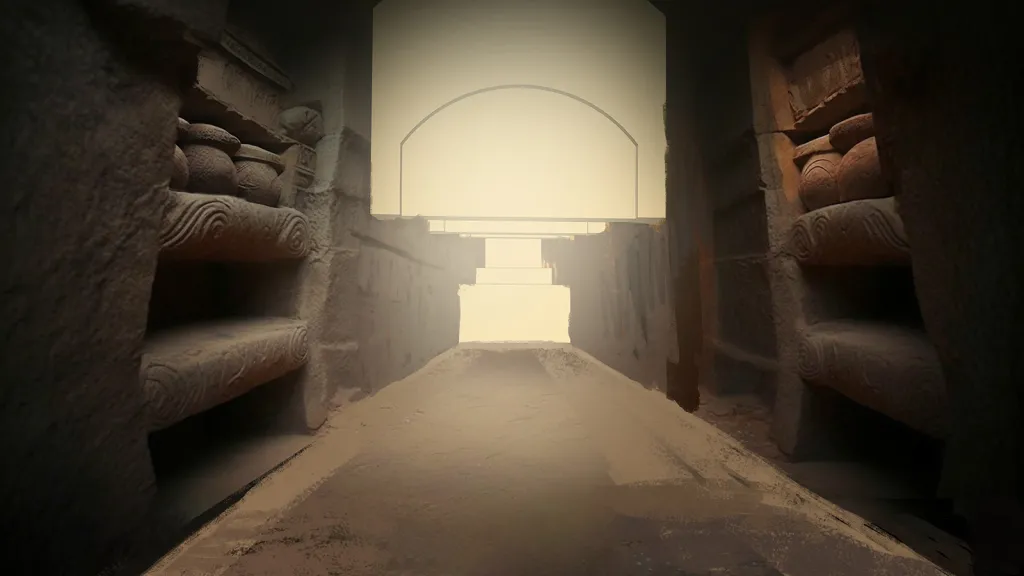
reliefs.
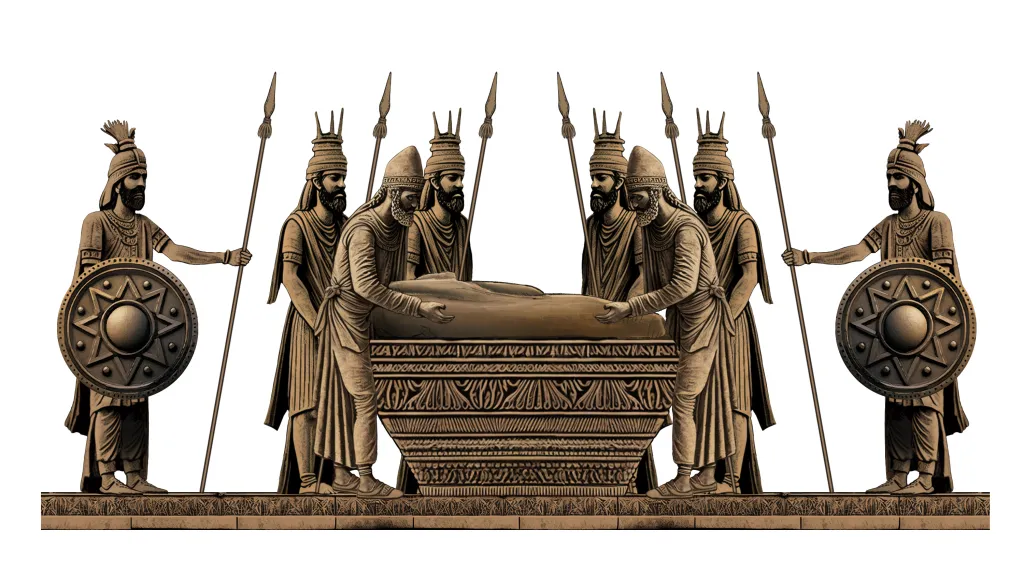
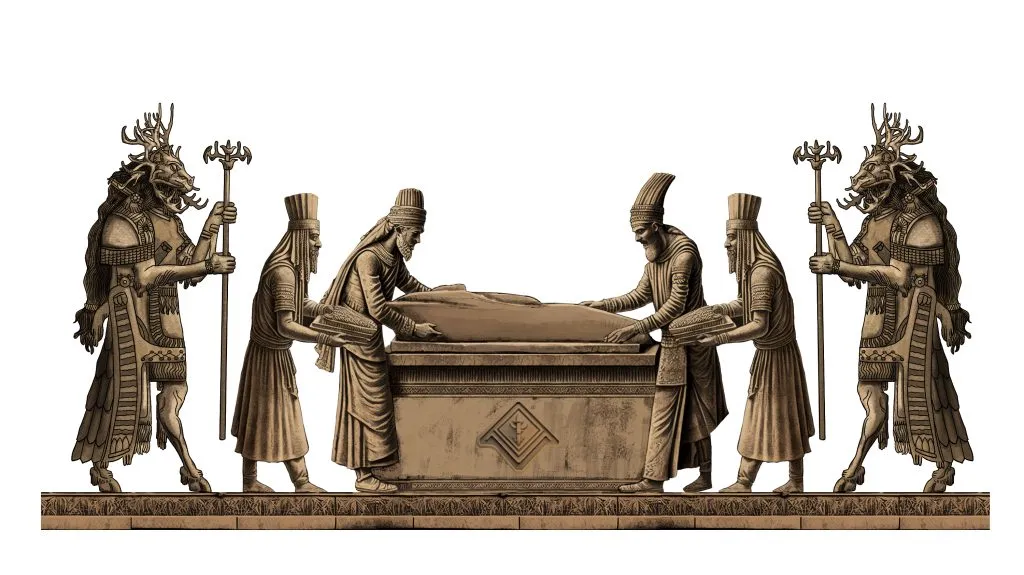
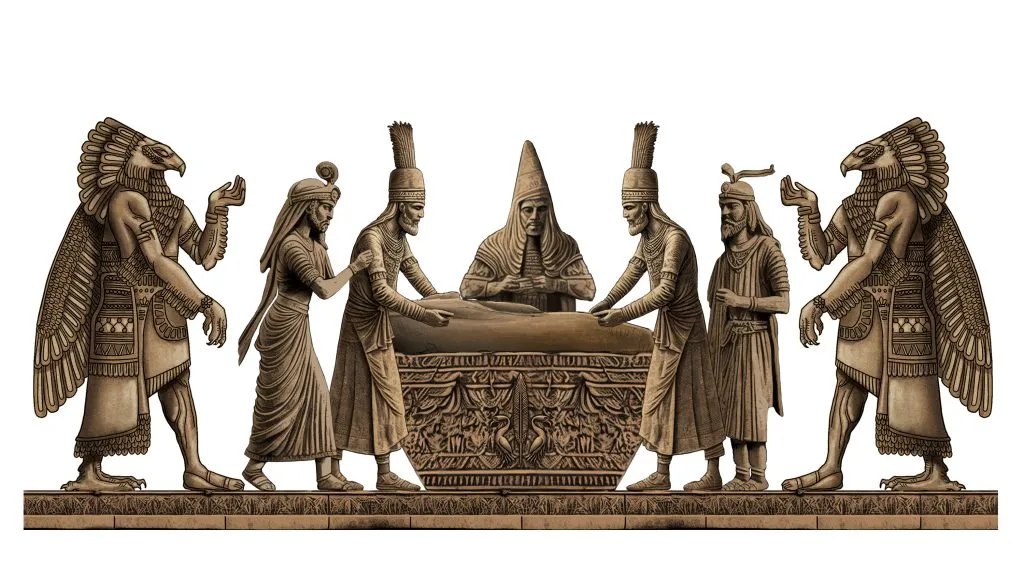
Chamber reliefs were designed for each faction space — Warriors, Architects, Scribes, and Priests — communicating hierarchy, culture, and history within the Coram Nobis world.
.webp)
character, props & symbol design.
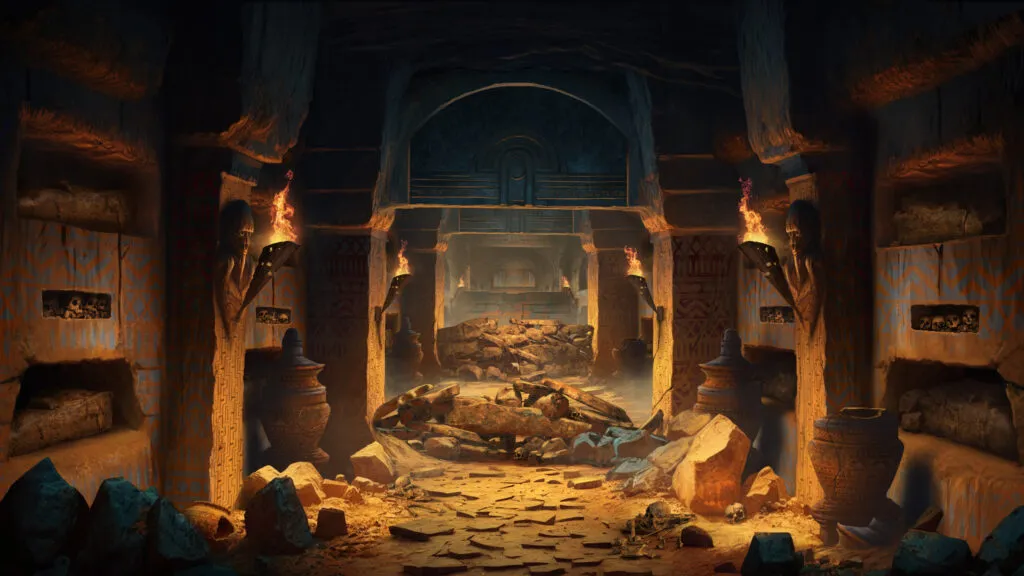
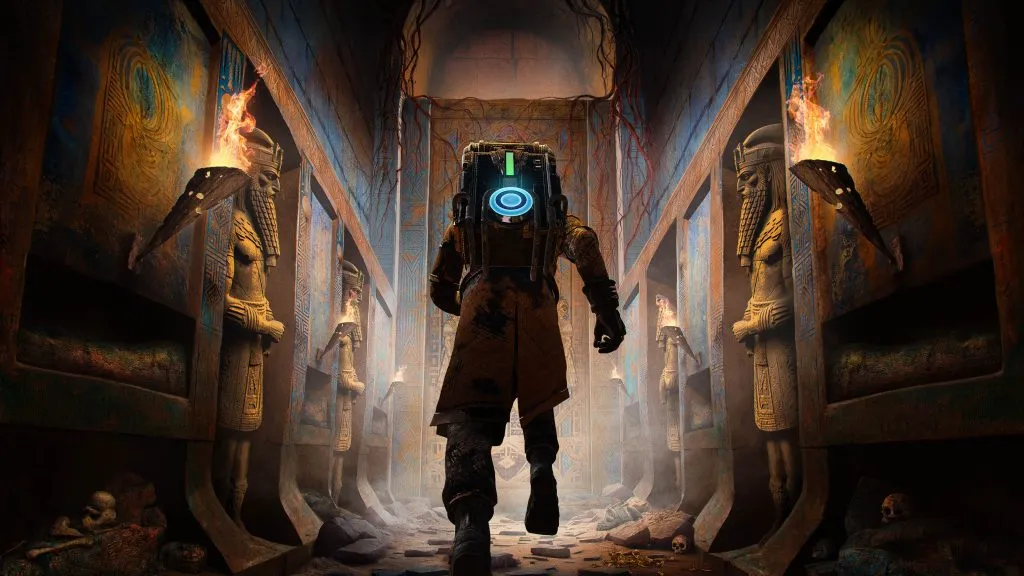
Environment concepts established atmosphere, scale, and narrative context for each chamber — from the entrance to the ancient warrior's resting place through to the priest chamber interior.
3d models — tablets.
Tablets for each chamber were modelled with intricate geometric detail — designed as narrative anchors that communicate faction hierarchy within the environment.
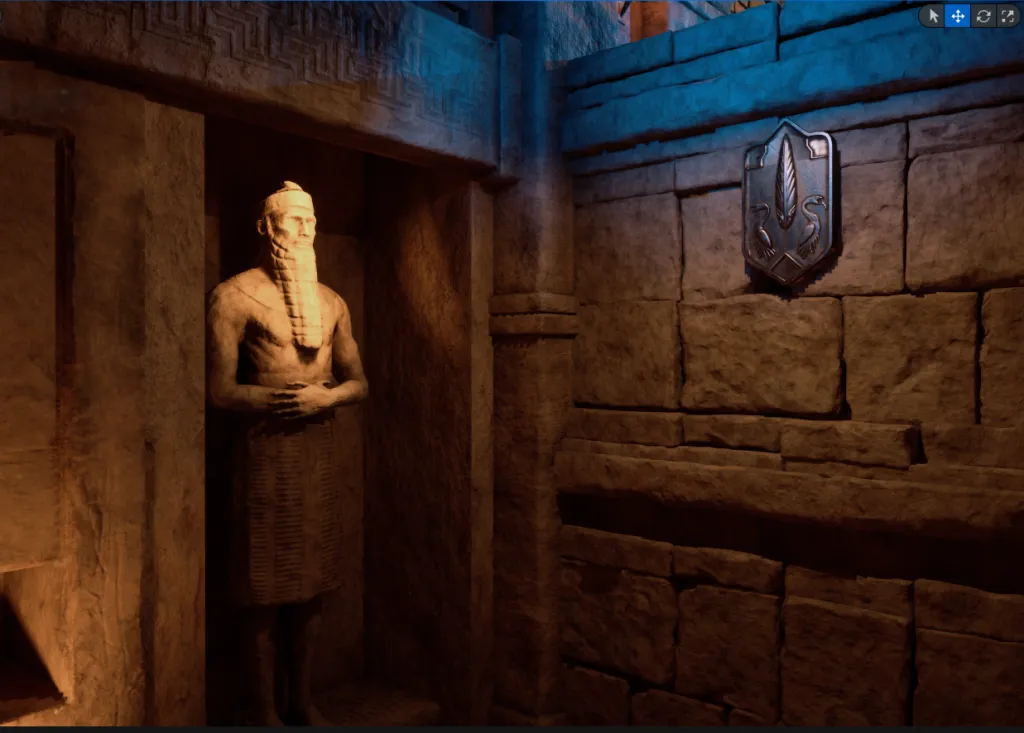
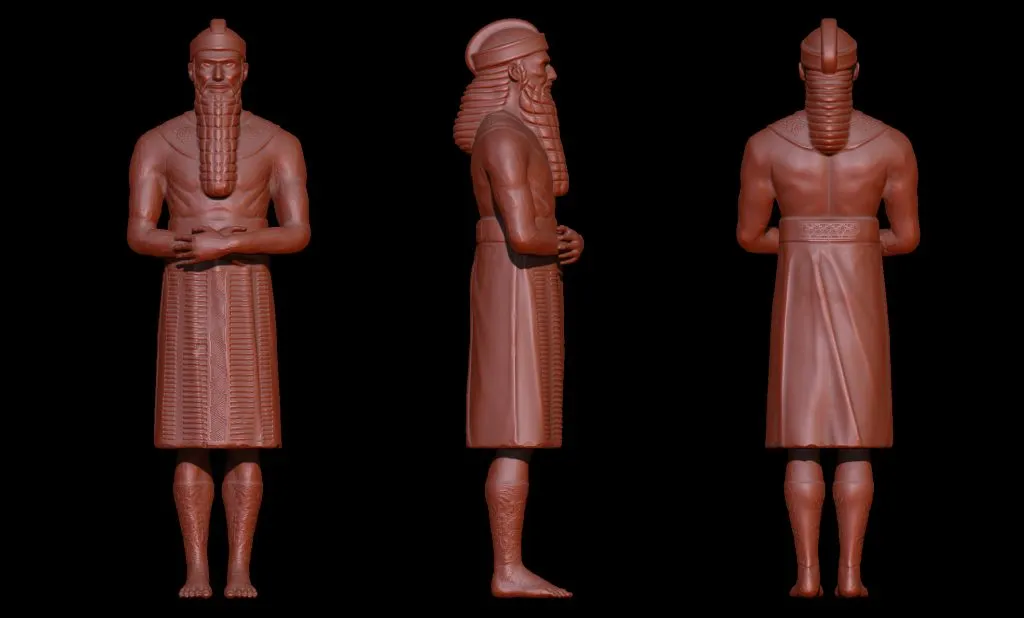
priest statues.
The priest chamber was designed to feel distinct from the other three spaces. The priest statue is full of intricate detail and strong presence — a focal point that sets the ceremonial tone of the room.
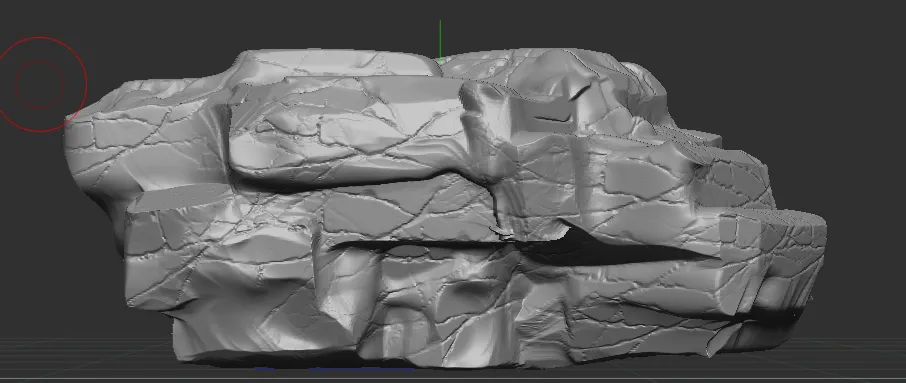
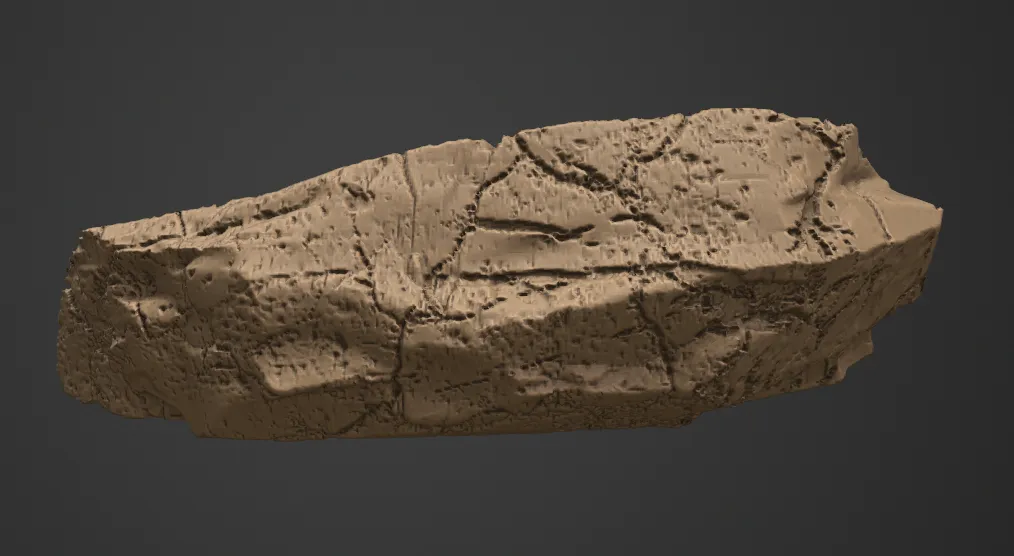
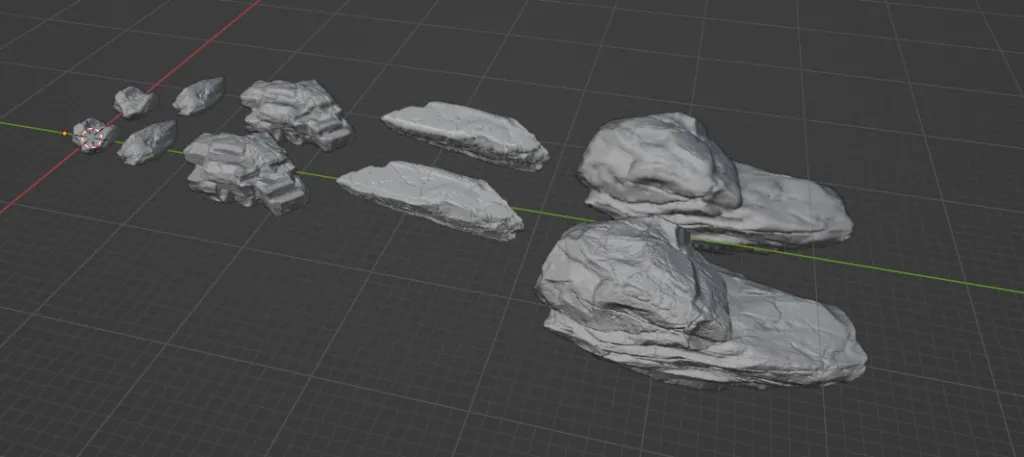
props, symbols & rock assets.
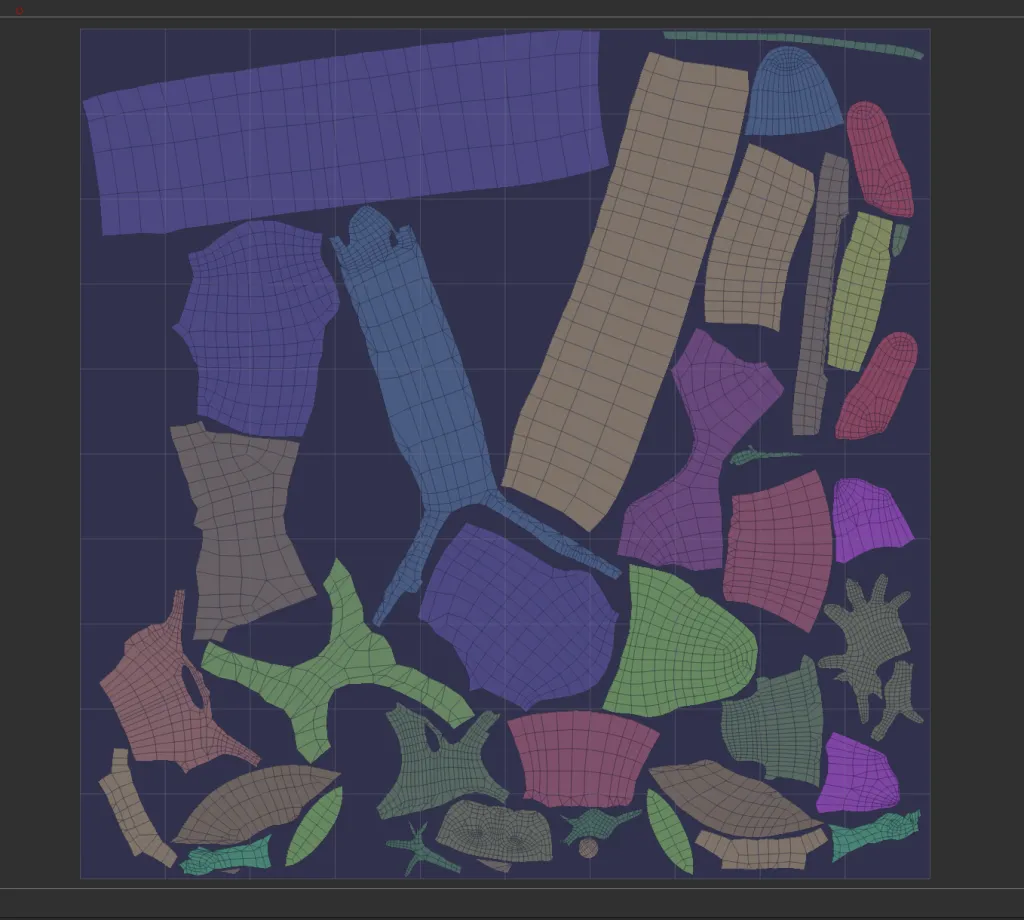
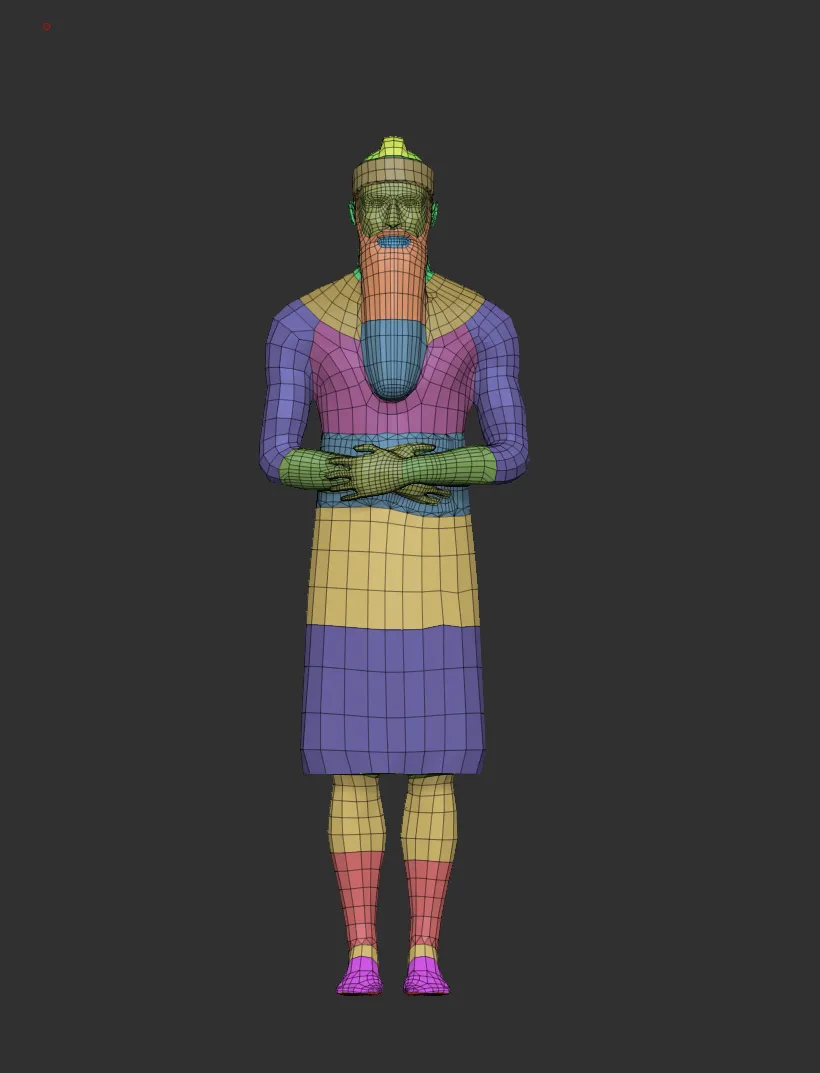
Character statues, tablets, and symbolic props were designed to visually communicate hierarchy, culture, and history within the game world. Each asset was developed from concept through to final 3D implementation, including UV mapping and optimisation for real-time use.
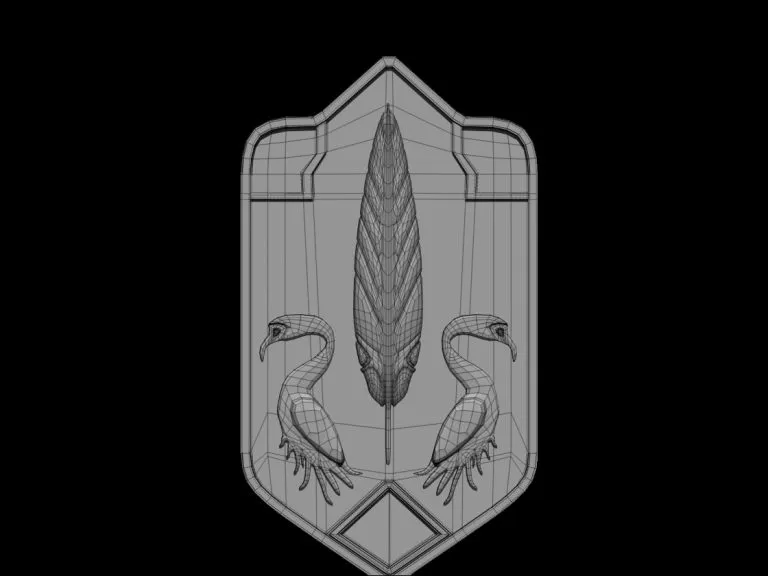
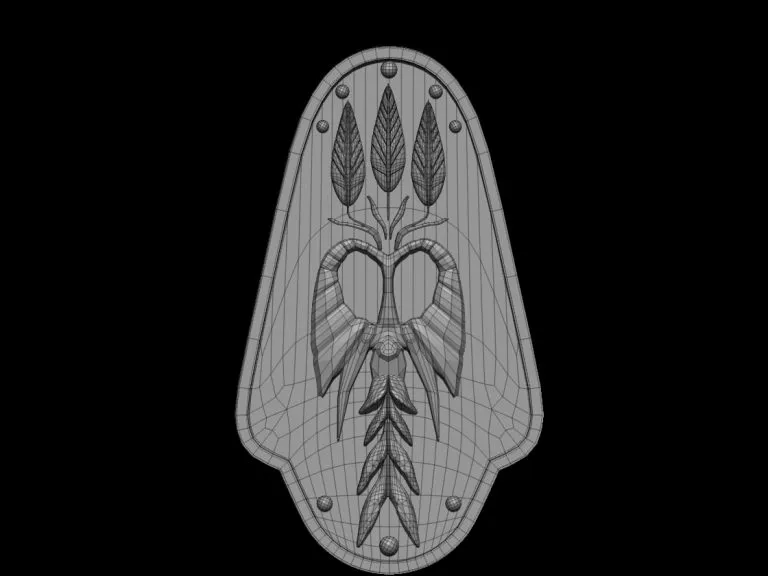
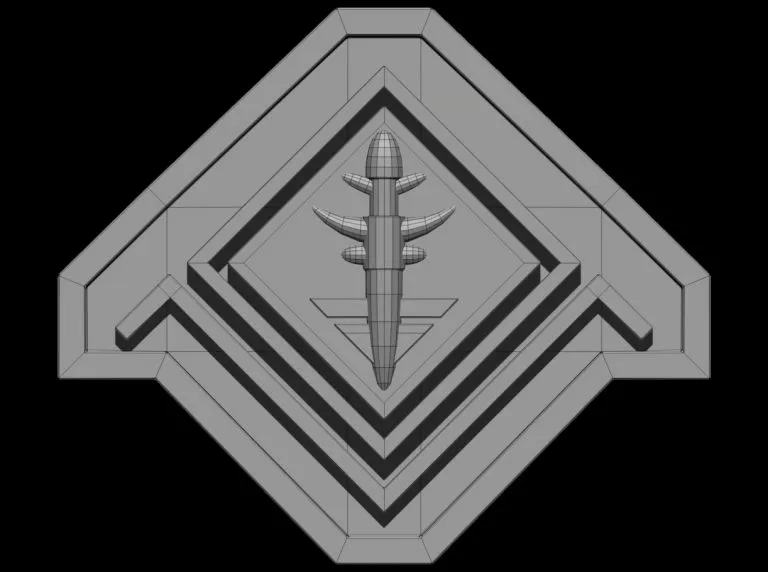
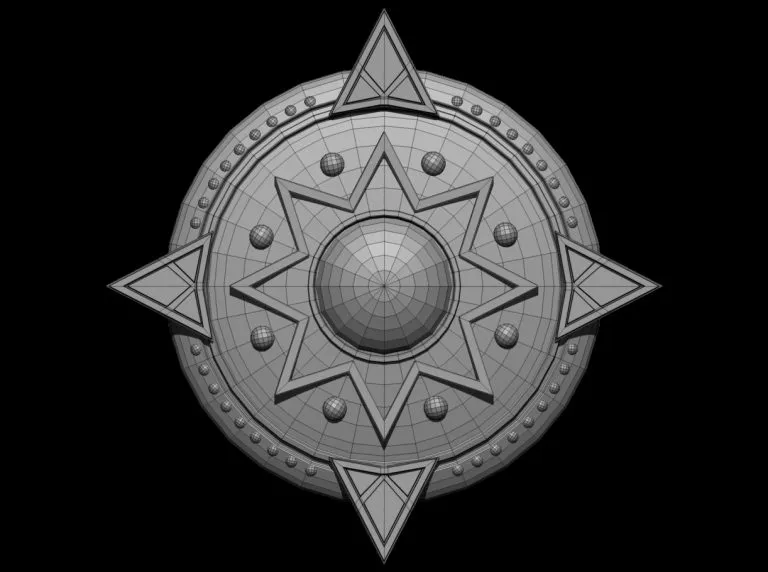

- Wireframe symbol development for priest, scribe, warrior, and shield motifs
- Modular rock and boulder assets for catacomb environments
- Textured boulder sets for burial chamber set dressing
cinematic & real-time implementation (Unreal Engine).
Cinematic sequences were developed using Unreal Engine 5, combining environment art, lighting, animation, and camera design to deliver narrative moments in real time. This approach kept cinematic storytelling tightly integrated with gameplay, maintaining visual consistency and performance across the project.